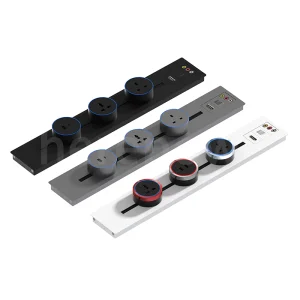
In the rapidly evolving landscape of interior architecture, industrial engineering, and smart home technology, the demand for flexible and reliable power infrastructure has escalated. Traditional fixed electrical outlets, constrained by rigid wiring layouts and limited accessibility, are increasingly failing to meet the requirements of modern spaces. This whitepaper analyzes the technology, market forces, and manufacturing frameworks behind Modular Power Connection Tracks.
As organizations globally look to optimize infrastructure overheads and ensure long-term adaptability, modular track systems emerge as the primary solution. By offering continuous busbar paths along which sockets or light fixtures can be freely added, repositioned, or removed, these systems combine sleek aesthetics with functional utility.
China has established itself as the epicenter of this industry, integrating structural aluminum extrusion, advanced plastic injection, and automated electronics assembly into unified, high-output production zones. Shenzhen, in particular, drives these developments through continuous research and development.
This document outlines critical sourcing criteria for international procurement officers, electrical engineers, and commercial developers. Highlighting manufacturing practices, safety specifications, and application scenarios, it serves as a guide for selecting top-tier Chinese manufacturers who comply with global E-E-A-T (Experience, Expertise, Authoritativeness, and Trustworthiness) standards.
An advanced modular power track is not merely an aesthetic alternative to a wall socket; it is a highly engineered electrical busbar system designed to handle high current loads while maintaining user safety.
| Component | Common Industry Standards | Ranko Power Engineering Specifications | Safety & Performance Impact |
|---|---|---|---|
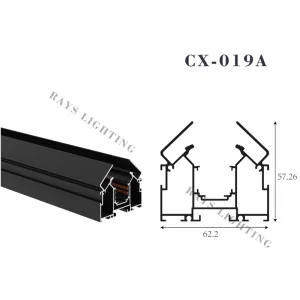
| Track Housing | Recycled aluminum, wall thickness < 1.0mm | 6063-T5 Aerospace-grade Anodized Aluminum (1.5mm - 2.0mm) | Higher structural integrity, thermal dissipation, and corrosion resistance. |
| Conductor Core | Brass or low-purity copper, prone to oxidation | 99.99% Oxygen-Free Copper (OFC) Busbar | Optimizes electrical conductivity, minimizes heat generation, prevents voltage drops. |
| Insulation System | Standard PVC (unrated flame retardancy) | UL94 V-0 High-temperature Polycarbonate (PC) & ABS | Ensures immediate self-extinguishing in the event of abnormal thermal surges. |
| Connector & Adapters | Friction fit, vulnerable to sparking | Double-locking contact mechanism with spring-loaded terminals | Eliminates risk of electrical arcing during connection and rotation. |
The core of a high-performance track is the internal busbar system. By utilizing thick, oxygen-free copper tracks, these systems deliver stable power across spans up to 3 meters, supporting load limits of up to 32A and 8,000W without degradation.
High-end power connection tracks feature dynamic safety shutters. A continuous slot allows the adapter to insert and engage the live conductors only when rotated 90 degrees, preventing accidental finger or tool contact.
Adapters are designed with an active engagement lock. When plugged in, a simple twist creates a secure connection, establishing grounding connections before the live and neutral lines make contact.
Procuring modular power tracks from China offers strategic supply chain advantages that extend beyond competitive pricing.
China’s electrical manufacturing hubs, particularly in Shenzhen and the wider Guangdong province, bring together all necessary raw materials, components, and engineering resources. Extrusion plants, injection molding facilities, copper refining mills, and packaging design firms operate in close proximity. This localized network minimizes lead times, streamlines raw material transit, and supports rapid customization of track lengths and specifications.
Global commercial projects often require unique design solutions, such as custom-recessed mounting tracks, architectural paint colors, or specific plug standards (e.g., US Standard, UK Standard, Universal, or EU). Chinese manufacturers offer comprehensive OEM/ODM services, utilizing precision tooling and CNC machining to modify extrusion profiles and adapter configurations according to client specifications.
Leading factories deploy automated testing equipment to verify performance under high load conditions. High-voltage insulation testing, structural wear tests for rotational adapters, and automated packaging lines ensure consistent product quality across large production volumes. This scale allows suppliers to meet strict delivery timelines for major hospitality and commercial builds.
Top-tier Chinese factories design products to meet strict international compliance standards, including CE, UL, RoHS, FCC, and CCC. This alignment ensures that imported components integrate seamlessly into local construction projects and electrical grids without regulatory delays.
The modular power track industry is shifting towards increased connectivity, enhanced safety, and integration with modern architecture.
Next-generation modular tracks incorporate smart Wi-Fi or ZigBee modules. Users can monitor energy consumption at the adapter level, schedule power distribution, and integrate outlets with automated building management systems (BMS).
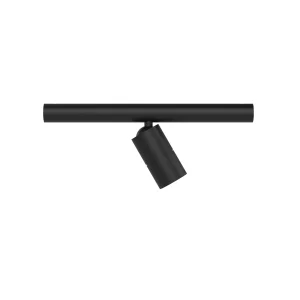
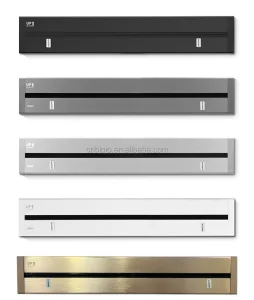
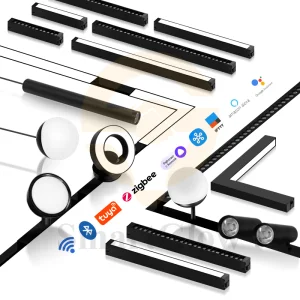
Power tracks are transitioning from visible hardware to integrated architectural elements. Recessed tracking and magnetic track lights merge power and lighting networks into a single, low-profile track system.
With USB-C PD (Power Delivery) standardizing up to 65W and 100W, modern adapters now feature direct USB integration. This allows laptops and smart devices to charge without bulky external power adapters.
Modular track systems provide functional solutions across residential, commercial, industrial, and specialized sectors.
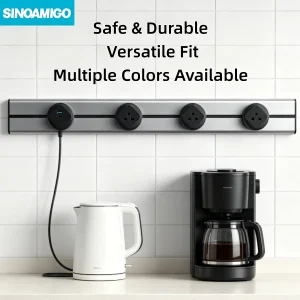
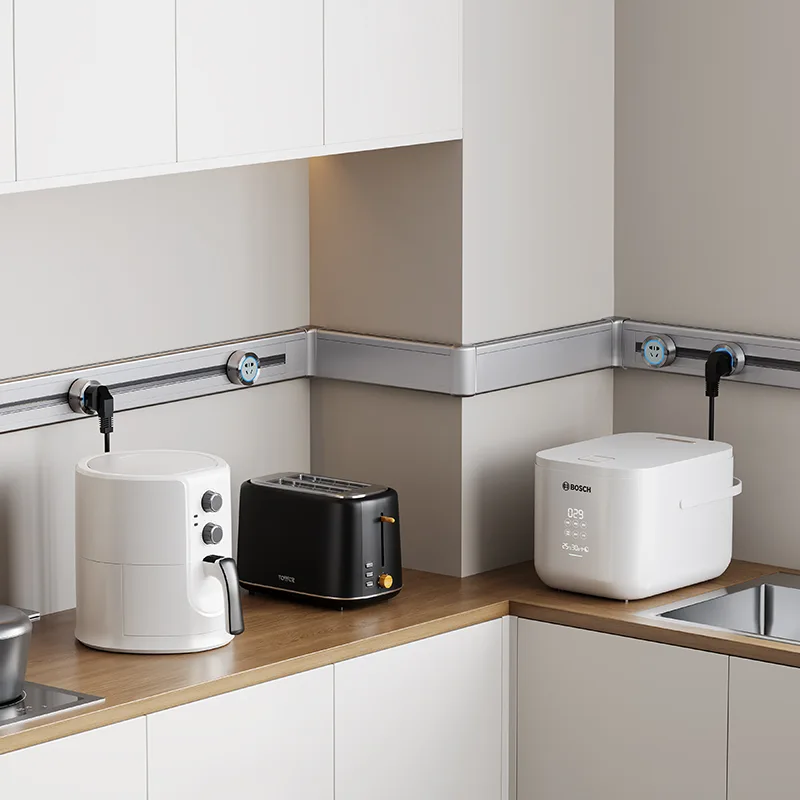
Modern kitchens utilize multiple high-power appliances (mixers, espresso machines, ovens, air fryers). Standard sockets often lead to clustered wiring and counter clutter. Waterproof, wall-mounted power tracks allow users to add sockets only when cooking and slide them away when finished. High-ingress protection (IP54) protects the system against liquid splashes, steam, and food residue.
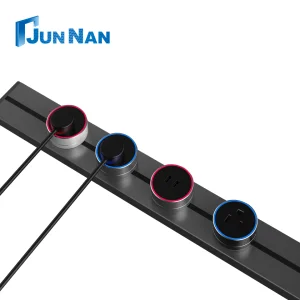
Office floorplans require flexible desks that can be reconfigured for changing teams. Recessed desktop power tracks integrate into desks and conference tables, keeping power cords organized while ensuring easy access for laptops, screens, and conferencing hardware.
Hotels, art galleries, and retail environments require adjustable lighting and power configurations to suit changing displays or events. Magnetic track rails and low-voltage track lighting allow operators to quickly adjust spotlights and auxiliary power terminals without employing specialized electricians.
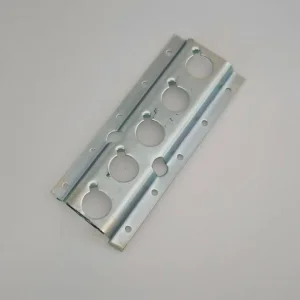
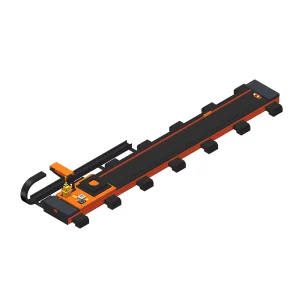
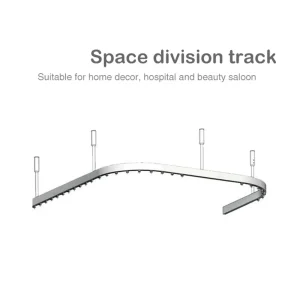
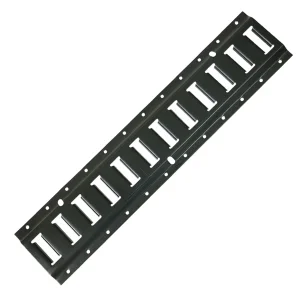
In automated production floors and clinical settings, power and cable management must be kept clear of floor spaces. Heavy-duty steel cargo control tracks, bendable aluminum curtain rails, and semi-enclosed linear robot welding tracks provide physical path tracking and power lines for moving machinery, minimizing trip hazards and structural wear.
Established in 2000, Shenzhen Ranko Power Co., Ltd. is a leading innovator in intelligent power distribution solutions. The company designs and manufactures safe, smart, and stylish electrical systems for residential, commercial, and office environments.
Focused on integrating advanced electrical technologies with modern design requirements, Ranko Power operates under the philosophy of "Safe, Flexible, and Efficient Power Delivery." Its modular power track systems replace traditional fixed socket installations, allowing users to safely add, remove, or reposition adapters according to their requirements.
The company's product catalog serves projects globally, including offices, hotels, clinical spaces, and residential developments. Through continuous R&D and strict testing protocols, Ranko Power manufactures components that align with global safety, efficiency, and styling expectations.
Driven by the vision of "Powering Innovation, Enhancing Everyday Life," Shenzhen Ranko Power Co., Ltd. continues to develop smart power technologies that provide safer and more sustainable ways to power modern spaces.
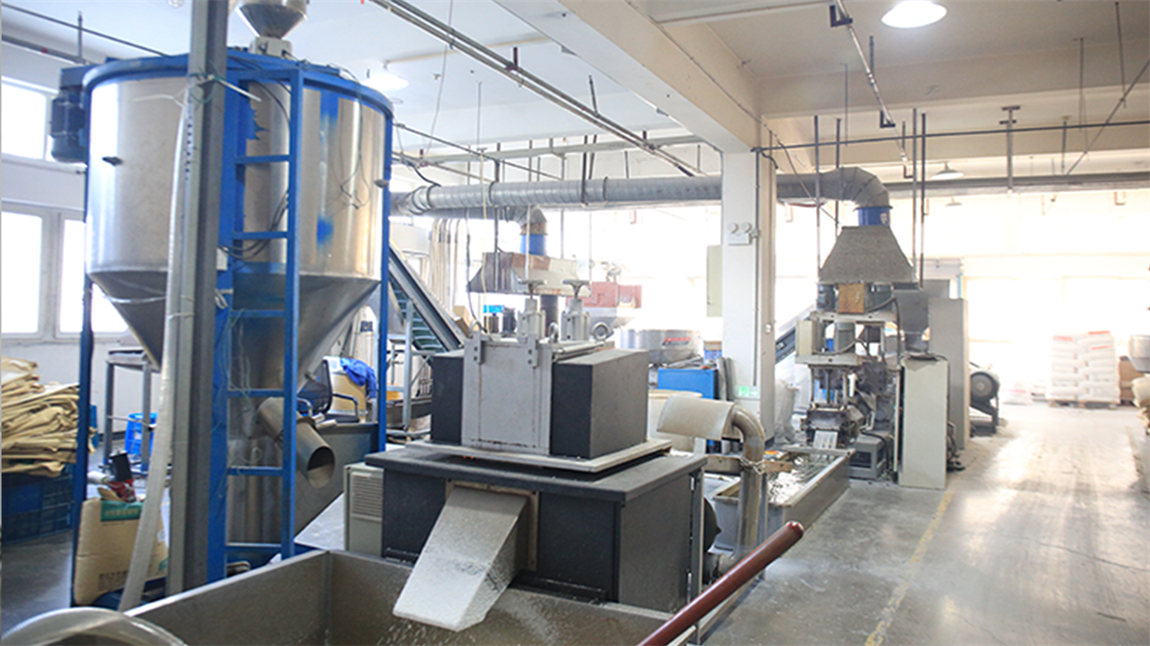
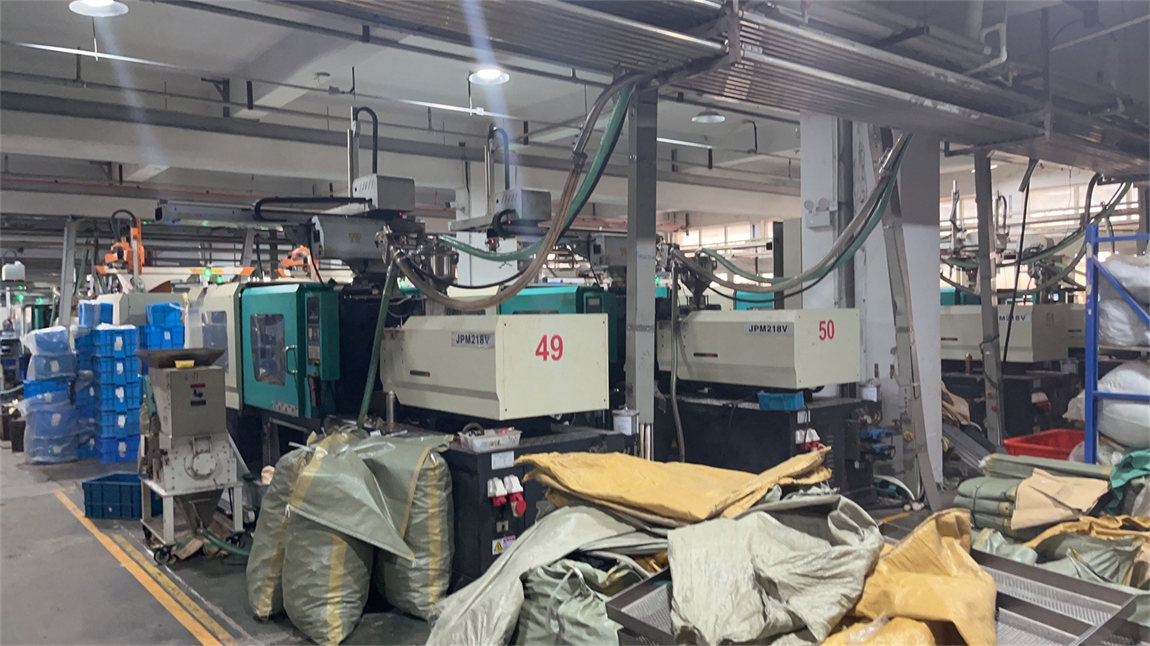
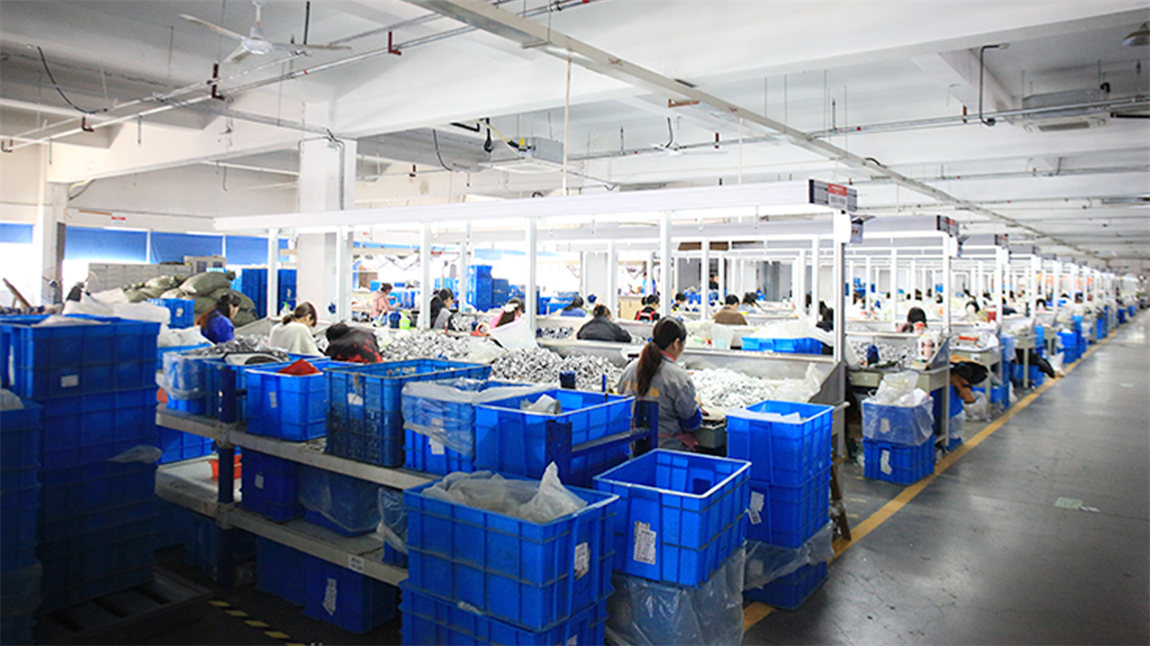
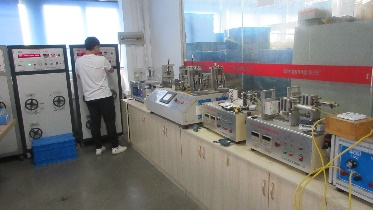
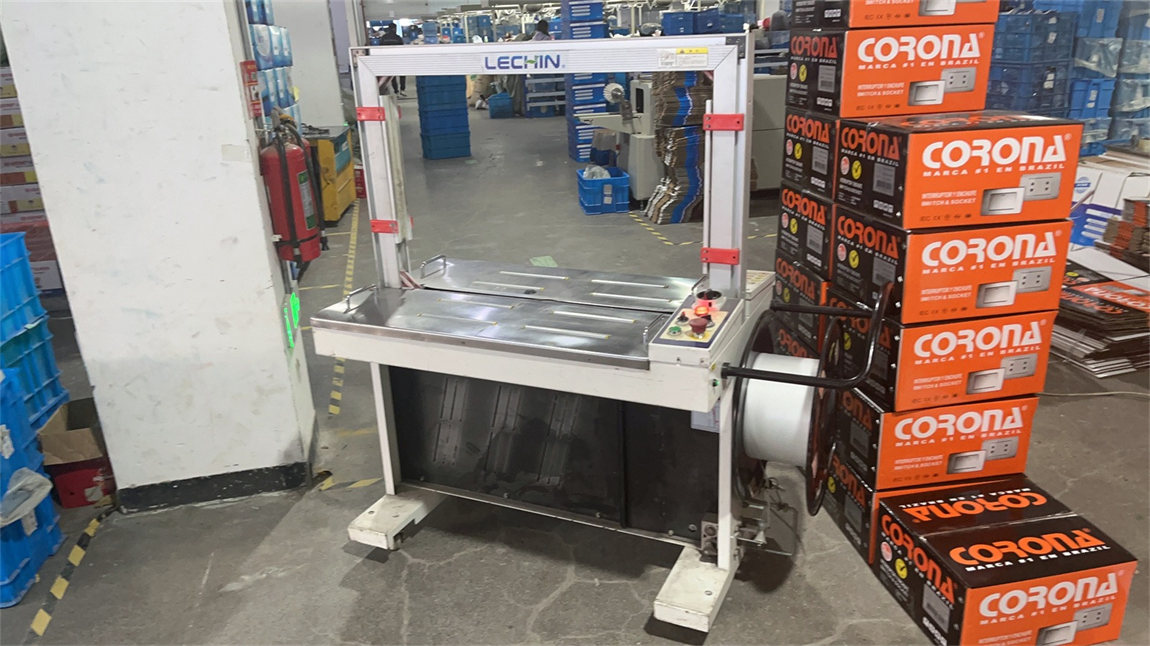
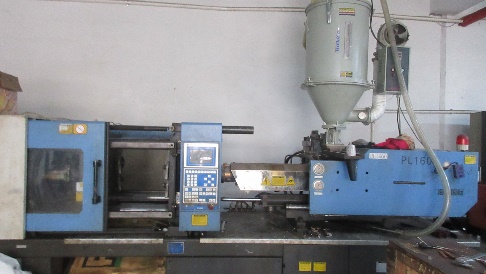
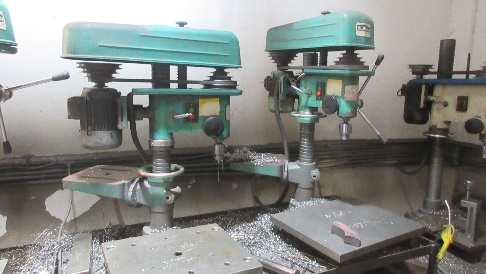
To maintain consistent production quality, Ranko Power operates a range of metalworking and polymer processing machinery:
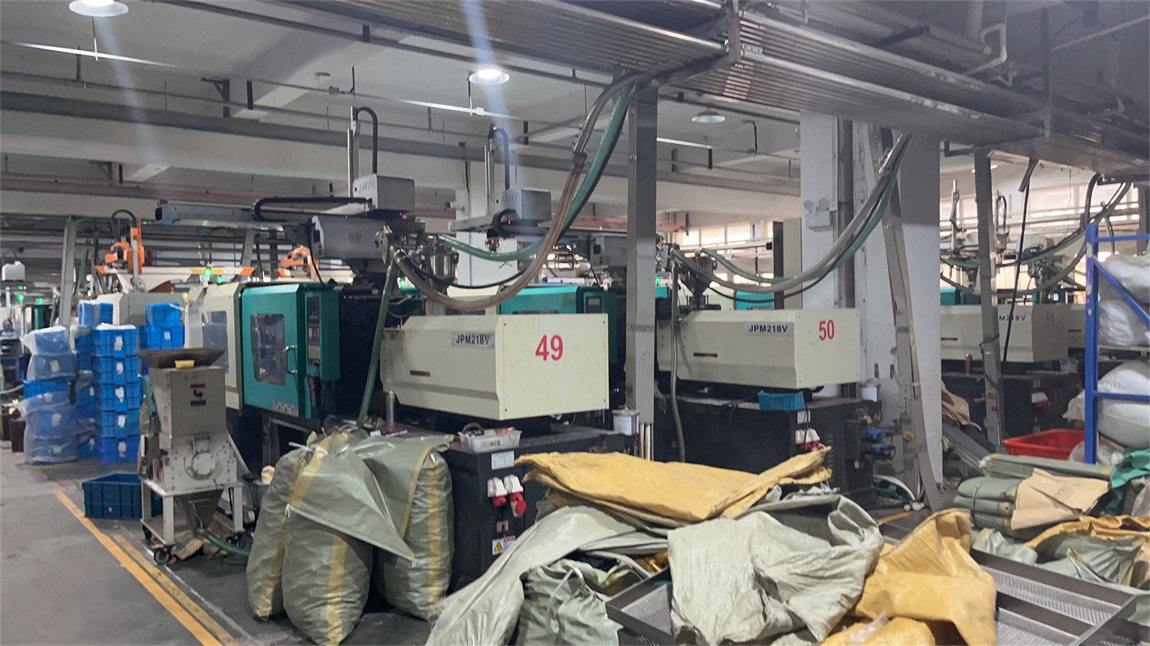
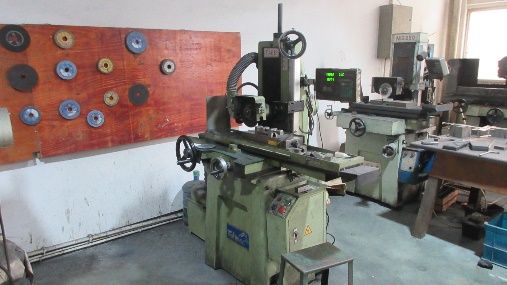
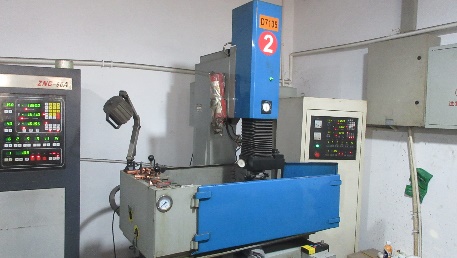
Procurement professionals must evaluate suppliers using criteria that ensure safety compliance, long-term durability, and stable supply chains.
Verify that suppliers possess international electrical approvals such as BS 5733, IEC 61534 (which governs power track systems), CE, UL, and RoHS certificates. Standardized testing guarantees that safety parameters, such as insulation resistance and ground continuity, are met.
Evaluate raw material certifications. Ensure the supplier uses high-purity, oxygen-free copper with a high cross-sectional area to prevent overheating under load. Housing extrusions should utilize aerospace-grade aluminum profiles with uniform anodization.
Ensure track systems can handle continuous power delivery at their rated currents (e.g., 32A/8000W). Ask for mechanical cycle test data on the rotary adapters to confirm consistent electrical contact over hundreds of insertions.
Key technical answers compiled by our engineering team to assist electrical engineers, procurement departments, and interior designers.
 Ranko Power