Pioneering modular power tracks, robotic systems, and flexible track sockets manufactured to strict global standards.
In modern architectural design, industrial automation, and flexible interior layouts, traditional fixed electrical wiring methods are rapidly giving way to modular, flexible electrical distribution networks. The Track Rail Electrical System has emerged as the definitive answer to the dynamic, safety-focused, and aesthetics-driven requirements of residential, commercial, and heavy industrial spaces worldwide. By offering structural configurations that enable users to reposition, add, or swap out plug adapters and lighting modules seamlessly, these systems bypass the operational constraints and physical footprint limitations of conventional wall outlets and hard-wired conduits.
As international demand continues to expand across European, North American, and Asian markets, selecting an authorized, highly competent manufacturer in China has become critical for global buyers, MEP (Mechanical, Electrical, and Plumbing) contractors, and OEM distributors. This whitepaper analyzes the current technological trends, regulatory criteria, and production workflows that define top-tier Chinese manufacturing operations in this domain.
Historically, track systems were limited to architectural spotlight rails designed for art galleries and retail storefronts. Today, track rail technologies have undergone a profound evolution, splitting into distinct commercial classes: line-voltage power tracks, low-voltage magnetic lighting profiles, and heavy industrial automation power rails. The key technological drivers currently shaping the industry include:
For engineering agencies and sourcing executives, compliance is non-negotiable. Importing custom electrical hardware requires verifying strict international certifications. Procurement contracts must detail and verify compliance across the following parameters:
Shenzhen Ranko Power Co., Ltd., established in 2000, is a leading innovator in intelligent power distribution solutions, dedicated to providing customers worldwide with safe, smart, and stylish electrical systems. With a strong commitment to technological innovation and product excellence, Ranko Power continues to redefine modern power accessibility and convenience for residential, commercial, and office environments.
Renowned for its professionalism and forward-thinking approach, Ranko Power focuses on integrating advanced electrical technologies with the evolving needs of modern lifestyles. Guided by the philosophy of "Safe, Flexible, and Efficient Power Delivery," the company has developed innovative power track systems that transform the traditional way electricity is accessed and utilized.
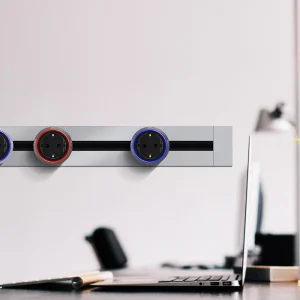
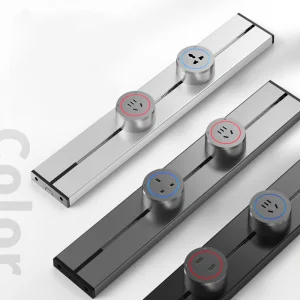
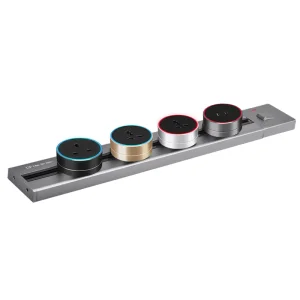
Designed with both aesthetics and functionality in mind, Ranko Power's solutions combine sleek, minimalist styling with advanced safety protection features. Unlike conventional fixed socket installations, the power track system offers flexible power access, allowing users to add, remove, or reposition power adapters safely and conveniently according to their changing requirements.
The company's products are widely used in homes, offices, retail spaces, hospitality projects, and commercial developments around the world. Through continuous investment in research and development, Ranko Power integrates intelligent control technologies, energy-efficient designs, and stringent quality standards to deliver reliable and future-ready electrical solutions.
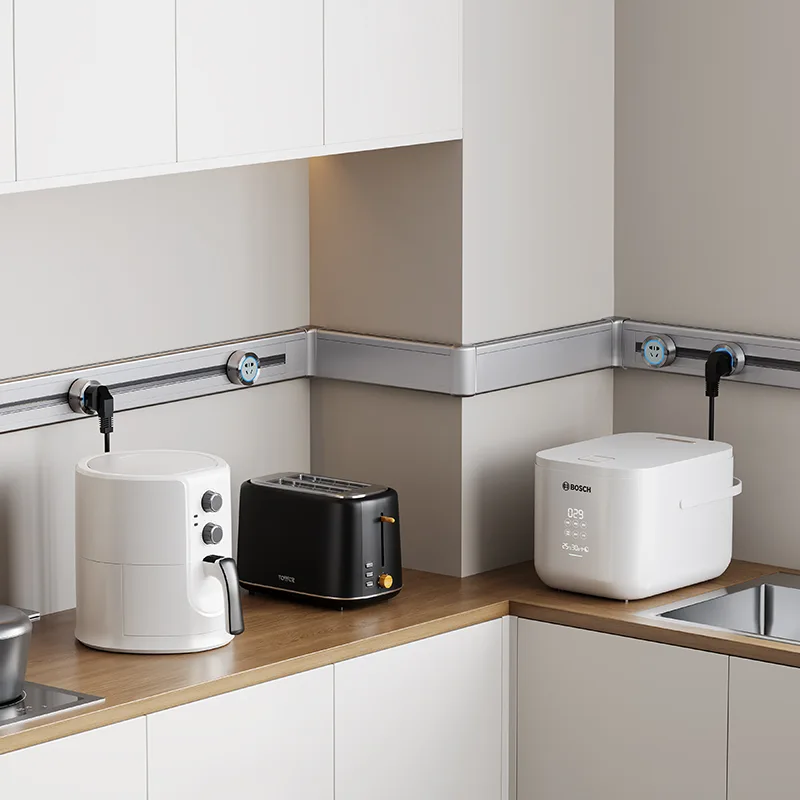
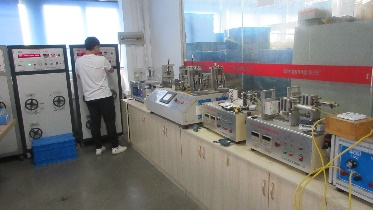
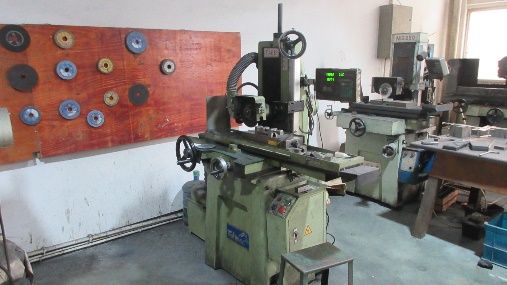
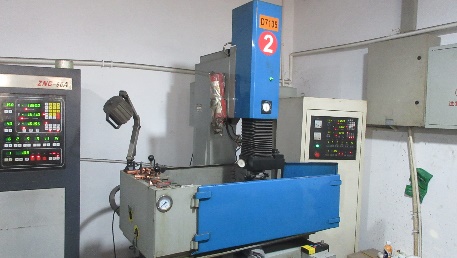
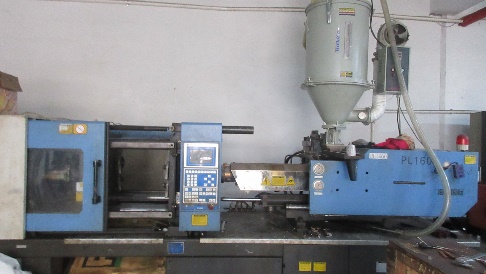
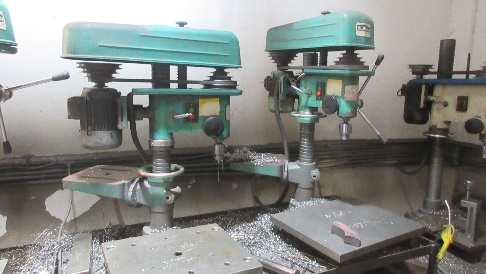
We employ state-of-the-art tooling, rigorous quality checks, and clean-room assembly lines to achieve elite precision and product consistency.
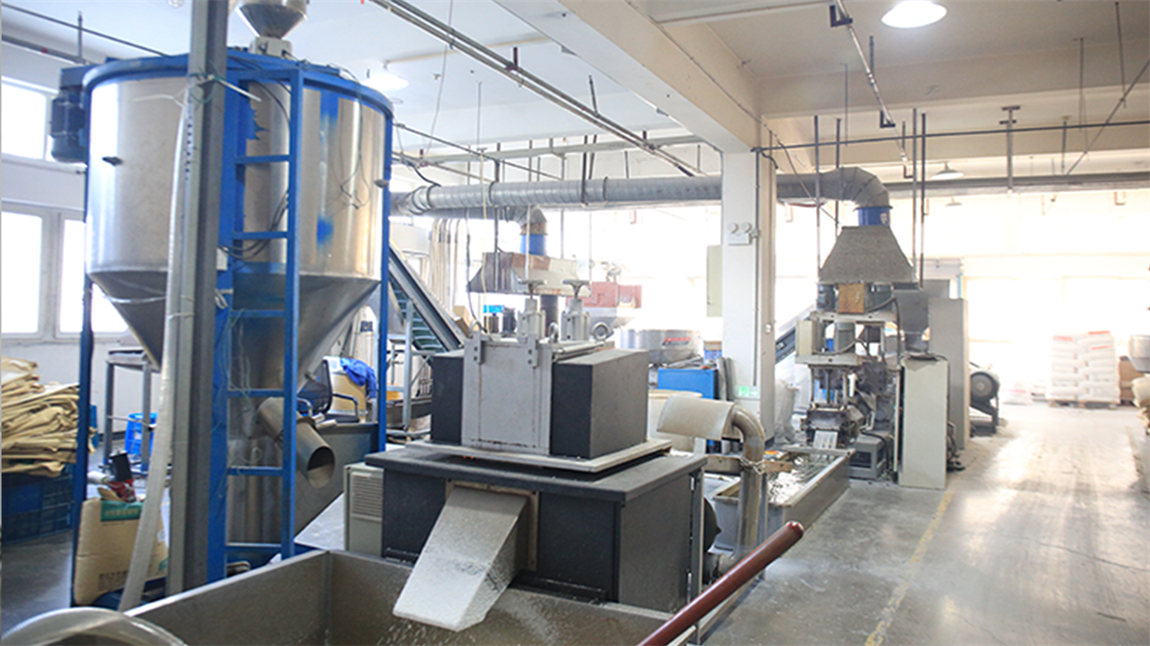
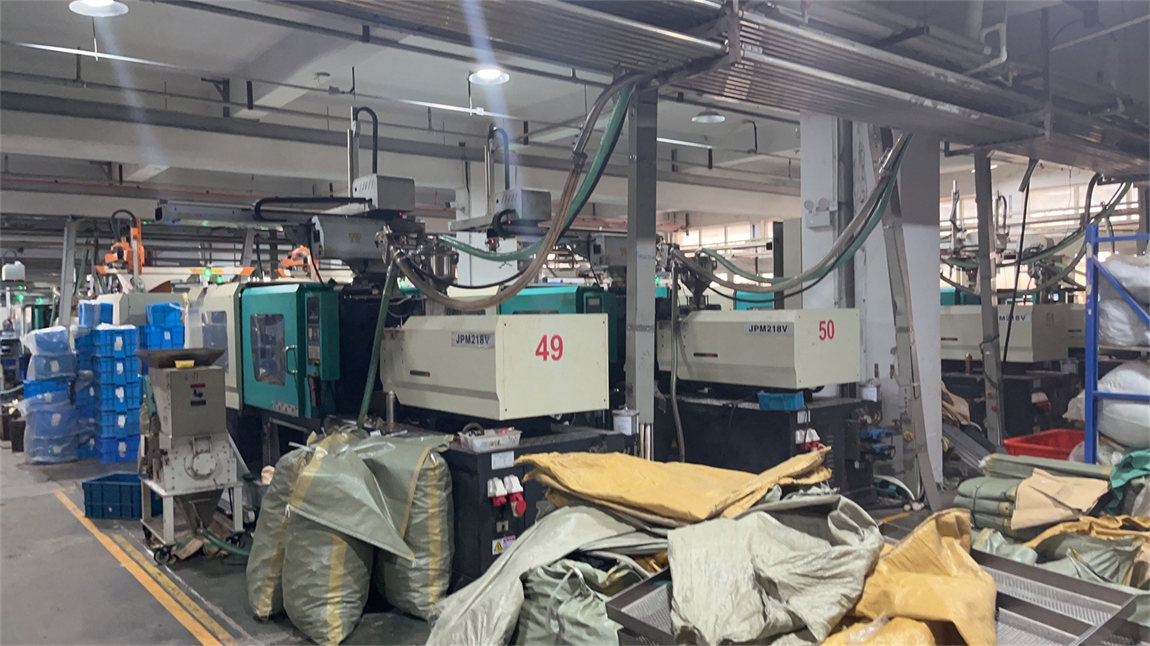
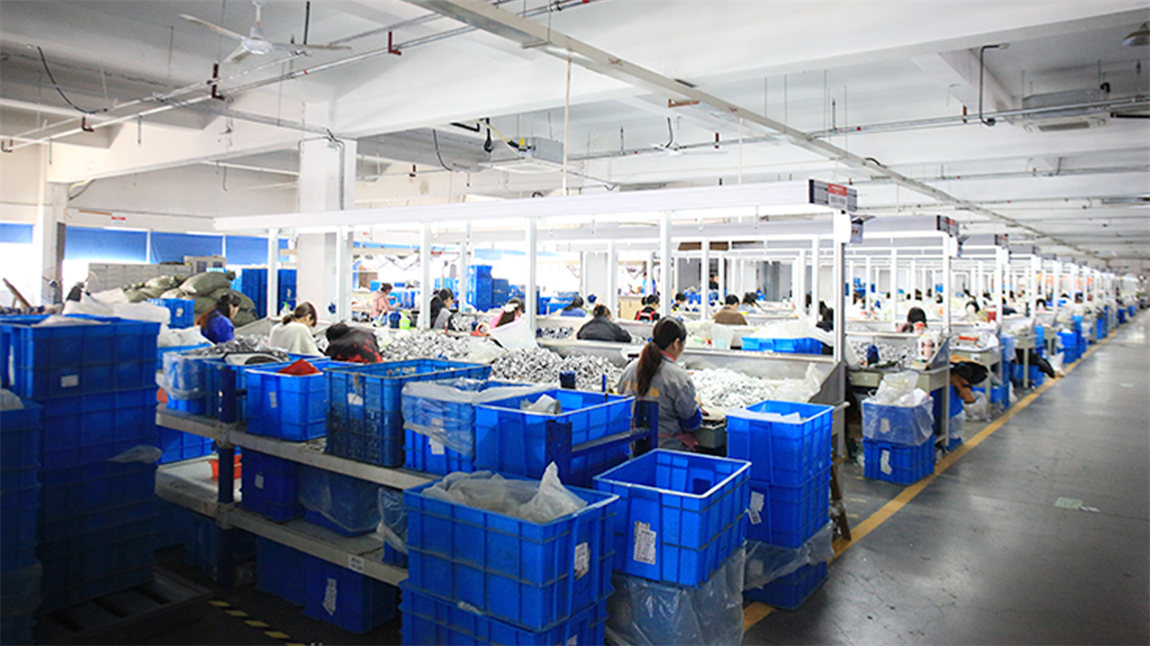
To successfully integrate track systems into massive development projects, OEMs and contractors must approach track deployment as an integrated, holistic infrastructure solution rather than a collection of separate parts. Top manufacturers offer customized macro-level configurations designed for specific industry challenges:
1. Smart Office Solutions: Modern commercial spaces require high layout agility. Incorporating dual-channel modular tracks into structural office desks or glass partitions permits rapid restructuring of workstations without costly structural wall modifications. Wireless charging pads, multi-plug wall ports, and USB adapters slide directly into position, reducing desk clutter.
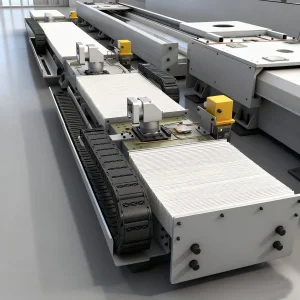
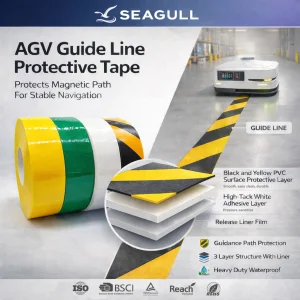
2. Industrial Automation and Robotics: Industrial robot systems, warehouse transport devices (such as AGVs), and packaging lines depend on continuous, high-current delivery systems. Implementing high-efficiency 220V/380V automated rail tracks guarantees reliable, uninterrupted power delivery for heavy machinery under continuous operation, reducing mechanical wear and maintenance downtime.
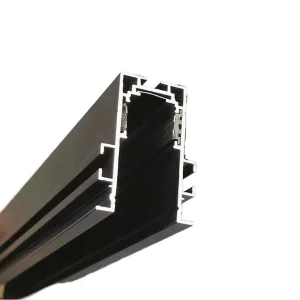
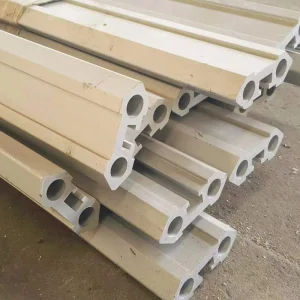
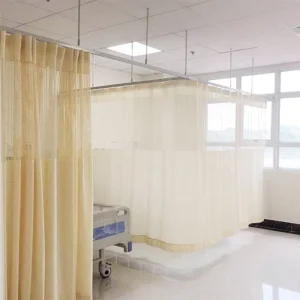
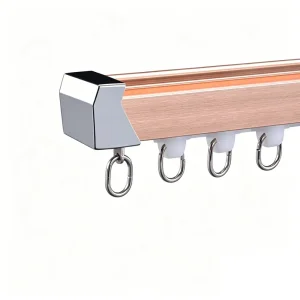
3. Advanced Clinical Environments: In hospital wards, intensive care units, and cleanrooms, the integration of specialized aluminum profile tracks (such as flexible hospital curtain rails and sealed medical lighting tracks) simplifies medical operations. Dustproof, easy-clean designs prevent germ buildup and support flexible curtain movements, ensuring long-term performance.
As sustainability regulations tighten and smart-building systems advance, the technology roadmap for Track Rail Systems is moving toward full IoT connectivity and carbon-neutral production. Sourcing agents should focus on the following key industry developments:
Answers to critical questions for procurement engineers, project managers, and distribution buyers.
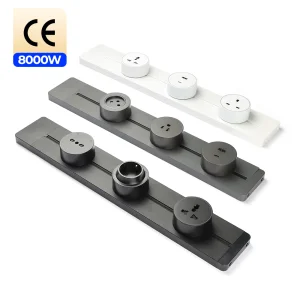
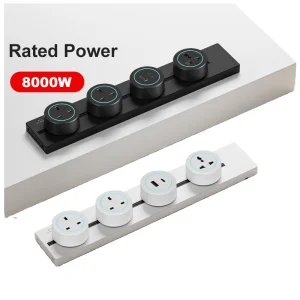
Standard residential power track systems generally support up to 32A under 220V/250V AC conditions, which translates to a total load capacity of roughly 8,000 Watts. Commercial and industrial variants can handle significantly higher limits. Load protection is integrated through smart miniature circuit breakers (MCBs) or overload indicators in the adapter heads. This setup safely distributes power and prevents overheating even when multiple heating appliances are used simultaneously.
Safety is managed through physical barrier design and grounding. The hot and neutral copper conductors are recessed deep inside the profile behind narrow slots. These openings prevent contact with fingers or tools, meeting IP2X finger-safety standards. Additionally, the adapter features a ground-first contact mechanism: when the adapter is inserted and turned, the ground contact connects before the hot contact, ensuring a safe discharge path.
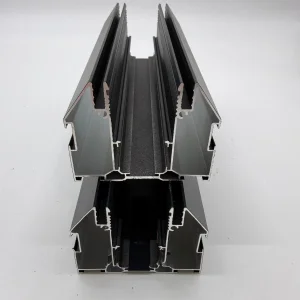
Yes, extruded aluminum profiles can be cut to length on-site or customized at the factory to suit specific project layouts. Connectors (including L-shaped, T-shaped, and flexible linear models) allow installers to route tracks around corners and across walls. Note that internal copper busbars must be cut and finished cleanly to ensure correct electrical clearance and avoid short circuits.
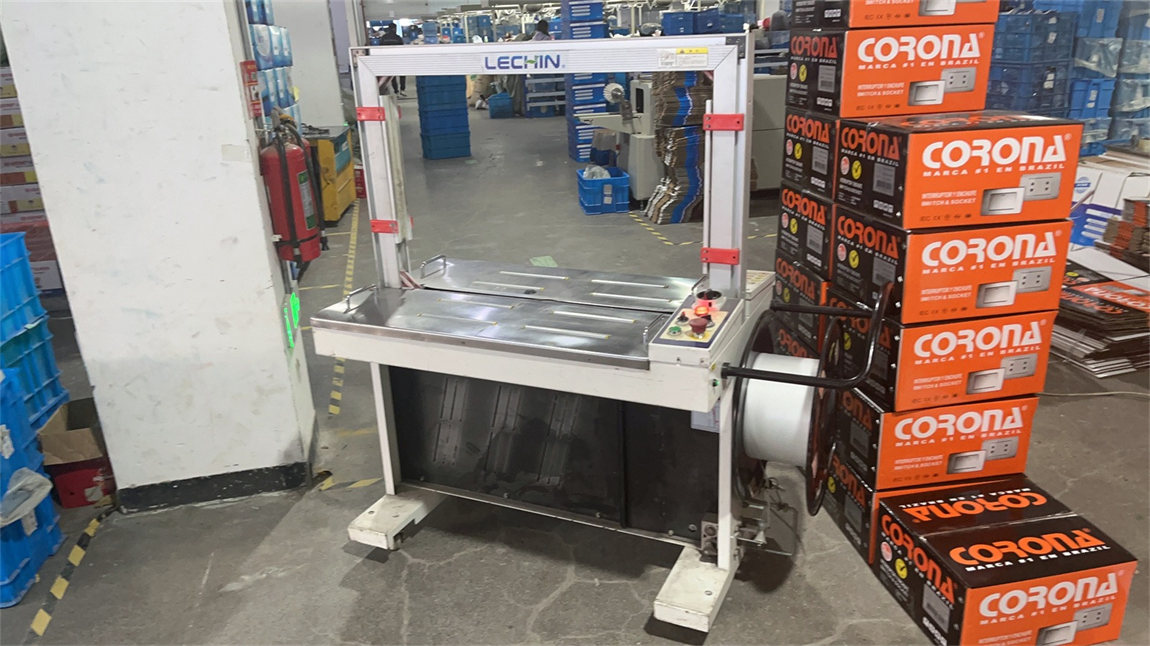
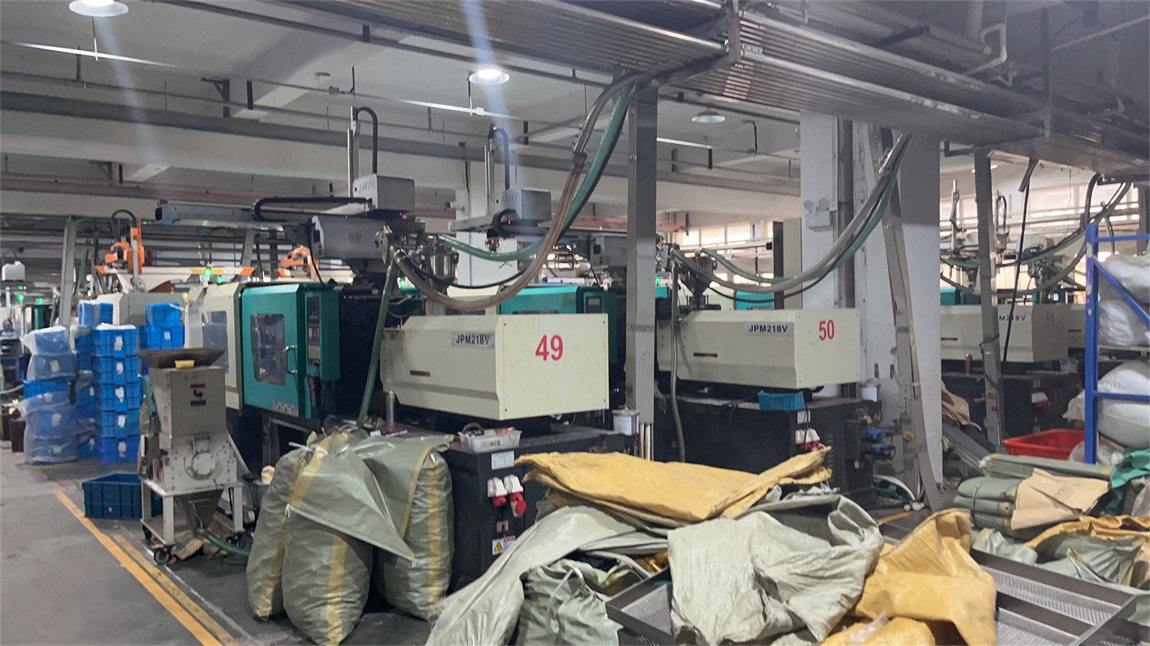
Ranko Power implements a complete, closed-loop quality control system under ISO 9001:2015. Beginning with raw material verification (flammability testing for plastics and copper purity analysis), each phase—from injection molding and CNC machining to final assembly—is continuously monitored. Before final packaging, every track rail system undergoes automatic testing for dielectric strength, insulation resistance, and circuit continuity.
Low-voltage 48V magnetic systems are widely used for residential and hospitality accent lighting. Since 48V is below the human safety threshold for electric shock, light fixtures can be adjusted, swapped, and moved along the track while the power is live. This simplifies lighting adjustments and layout changes for designers and end-users alike.
Complementary equipment, waterproof modules, architectural profiles, and hardware systems engineered for high durability.
 Ranko Power