When asking what is the lifespan of a hidden electrical track rail, the honest answer is rarely one fixed number. A quality rail may serve for 15 to 25 years indoors, but its real performance depends on load, heat, humidity, installation, and maintenance. The rail itself can remain solid while its connectors weaken.
Lighting engineer and educator James R. Benya, PE, offers a practical reminder: “Design for maintenance, not just installation.” That principle matters inside a ceiling or wall, where a loose contact can create flickering, heat marks, or silent power loss. A well-installed system should keep conductors firmly seated, distribute current evenly, and avoid sharp bends that stress the housing.
The surrounding environment changes everything. In a dry living room, the rail may age slowly. Near cooking vapors, coastal air, or poorly ventilated ceilings, corrosion can appear earlier. Frequent fixture movement also wears contact points, especially when users force adapters into place.
Look closely.
Burning smells, darkened terminals, buzzing, cracked insulation, or intermittent lighting deserve immediate inspection by a qualified electrician. These signs do not prove the rail has reached the end of its life, but they indicate declining reliability.
Manufacturers often publish expected service periods, yet those figures assume correct installation and normal loading. Real buildings are less predictable. A rail installed twenty years ago may outperform a cheaper model installed last year. This is why lifespan should be judged through inspection, electrical testing, and operating conditions, not age alone. The answer is useful, but never absolute.
What Is a Hidden Electrical Track Rail?
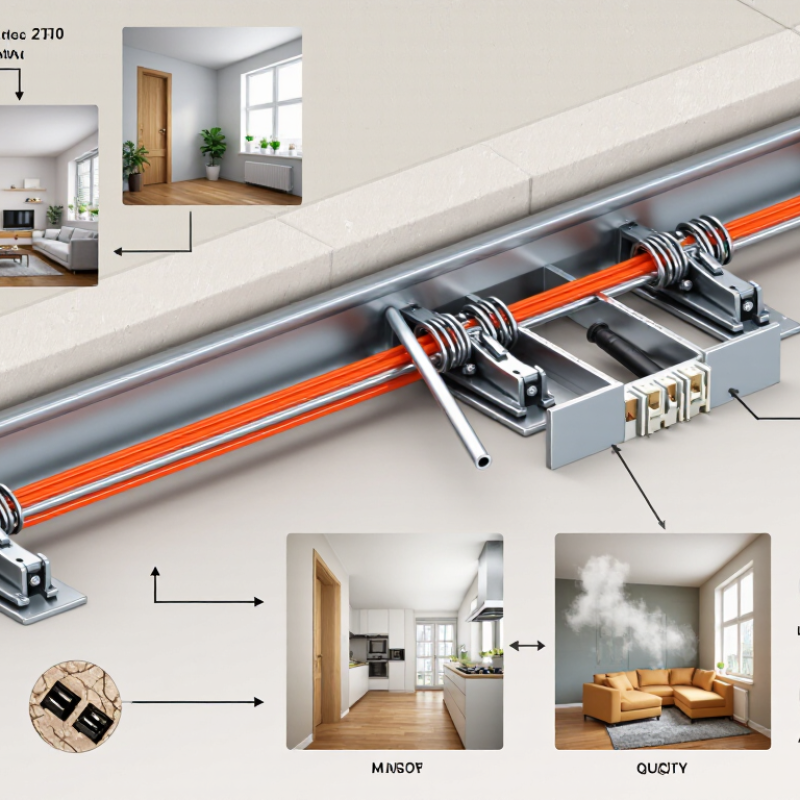
A hidden electrical track rail is a lighting channel set into a ceiling or wall, leaving its body mostly flush with the finished surface. Small adapters slide or lock into the exposed slot to power compatible luminaires. The rail itself contains conductors, insulation, and mechanical supports; it is not simply a decorative groove. That distinction matters.
A typical installation includes a power feed, rail sections, connectors, and end caps. The feed carries electricity into the conductors, while adapters make contact at selected points along the track. Correct ratings and secure connections matter: a neat-looking channel does not prove that its electrical contacts are sound. Even experienced installers should check for looseness, discoloration, unusual heat, or intermittent lighting.
There is no universal service-life figure for a hidden rail. Its longevity depends on material quality, installation, operating temperature, load, and maintenance. The U.S. Department of Energy reports that LED bulbs can last up to 25 times longer than incandescent lamps (Energy Saver, “LED Lighting”). That comparison concerns the light source, not the rail. Not the rail. A practical assessment should inspect the rail and its connections separately, especially after renovations or repeated fixture changes. A rail may look fine while one contact has worn; visual appearance alone can be misleading.
How Long Does a Hidden Electrical Track Rail Last?
LED light-source rated life shown as years of use at 8 hours per day
A hidden electrical track rail has no universal service-life rating: its lifespan depends on installation, electrical loading, environment, and condition. The chart shows example LED light-source rated-life values—not the lifespan of the rail itself. At 8 hours of daily use, 25,000, 50,000, and 100,000 hours equal approximately 8.6, 17.1, and 34.2 years. Have the rail inspected if it is damaged, loose, overheating, or showing signs of electrical wear.
Key Factors That Affect Track Rail Lifespan
A hidden electrical track rail can last for many years, but there is no reliable lifespan that fits every installation. Its durability depends on material quality, electrical load, installation, and daily use. Frequent movement, where the system has moving parts, adds wear to contacts and fasteners. Small signs matter. Uneven travel, a new rattle, or darkened contact points may indicate a problem.
Moisture, dust, and cleaning chemicals can damage finishes or encourage corrosion, especially in kitchens, workshops, and damp rooms. Excessive current and loose connections can create heat that shortens component life. Heat is a warning. A rail that feels unusually warm or produces a burning smell should be switched off safely and checked by a qualified electrician.
Correct alignment and secure mounting matter as much as the rail itself. A rushed installation may look tidy while leaving stress at joints or connections; that is easy to miss. Follow the manufacturer’s load limits and inspection guidance, and ask a qualified electrician to check concealed wiring or worn contacts. There is no perfect schedule for every space, but inspections are often postponed until a fault appears. That habit deserves a second look.
How Long Does a Hidden Electrical Track Rail Last? – Key Factors That Affect Track Rail Lifespan
There is no universal service-life rating for hidden electrical track rails. The ranges below are rough planning estimates for indoor systems; actual life depends on the product, installation, load, and operating conditions. Always follow the manufacturer’s specifications.
| Component or factor |
Indicative life or effect |
What can shorten service life? |
Practical steps |
| Track rail body |
Often 10–20+ years indoors when correctly installed and not overloaded; not a guaranteed rating. |
Excessive load, impact, poor support, corrosion, or repeated bending. |
Use the specified load limits and mounting points. Check periodically for sagging, cracks, loose fixings, or corrosion. |
| Conductors and contact surfaces |
May need attention or replacement before the rail body, depending on electrical load, switching, and exposure. |
Dust, oxidation, moisture, loose connections, arcing, or loads above the rated capacity. |
Keep the track dry and clean using the approved method. Have a qualified electrician investigate discoloration, buzzing, heat, or intermittent power. |
| Moving parts, carriers, or rollers |
Wear varies with operating frequency and the weight being moved; these parts may wear sooner than the rail. |
Frequent cycling, dirt buildup, misalignment, and excessive load or friction. |
Remove dust, avoid forcing a jammed mechanism, and replace worn moving parts with compatible components. |
| Motor, power supply, or control unit |
These electronic or mechanical parts can fail before the rail and should be assessed separately. |
High operating frequency, overheating, unstable supply, blocked movement, or incompatible controls. |
Follow the specified duty cycle and electrical ratings. Keep moving paths clear and use compatible replacement parts. |
| Installation and support |
Good alignment and secure support help the complete system reach its expected service life. |
Incorrect spacing of supports, damaged wiring, poor joints, or installation into an unsuitable surface. |
Install to the product instructions and applicable electrical requirements. Correct loose fixings or misalignment promptly. |
| Environment and maintenance |
Dry, clean indoor conditions generally support longer service than damp, dusty, or corrosive environments. |
Humidity, water ingress, airborne contaminants, chemical cleaners, or neglected wear. |
Inspect for corrosion, damaged insulation, loose connections, and unusual noise. Use only approved cleaning products. |
Replacement warning: A rail that becomes unusually hot, shows visible electrical damage, produces a burning smell, or has exposed wiring should be switched off if safe to do so and inspected by a qualified electrician.
Typical Service Life and Signs of Wear
There is no dependable universal lifespan for a hidden electrical track rail. A well-installed rail may serve for decades, but heat, frequent fixture changes, dust, and poor alignment can shorten its useful life. The rail’s metal body may look sound while its contacts or connectors gradually wear. Small faults matter.
The U.S. Department of Energy’s 2011 report, “LED Luminaire Lifetime: Recommendations for Testing and Reporting,” explains that common 50,000-hour life claims concern LED light output, not the mechanical life of a track rail. Those figures should not be used as a rail-life guarantee. Watch for intermittent lighting, fixtures that feel loose, darkened contact points, or a faint buzzing sound. A warm spot or visible discoloration deserves attention, too. One symptom alone may have another cause, so avoid guessing.
Keep an eye on changes. If a fixture flickers when gently repositioned, or no longer locks firmly, have the system checked by a qualified electrician. Do not probe concealed contacts yourself. Inspection is especially sensible after repeated fixture swaps or nearby renovation work. Honestly, a rail can appear fine right up to the point a worn connection becomes noticeable. That uncertainty is worth respecting.
Maintenance Practices for Extending Rail Performance
How Long Does a Hidden Electrical Track Rail Last?
A hidden electrical track rail has no fixed service life. Its condition depends on installation quality, electrical load, humidity, dust, and how often fittings are moved. A well-installed rail may serve for many years, but a calendar estimate cannot replace inspection. Watch for flickering lights, loose fittings, unusual warmth, discoloration, or crackling. These are warning signs, not normal wear. Stop using the affected section and contact a qualified electrician.
Tips: Keep openings free of lint and paint. Never spray cleaner into the rail. Isolate power before any cover is removed, and follow the system instructions. Concealed wiring is not a good place to guess. Record inspection dates and fixture changes; small notes can reveal gradual problems.
During routine maintenance, check that fittings lock firmly and sit evenly. Do not force a stiff adapter; it may damage the contacts. Ask a professional to inspect the rail if a fitting feels loose, a circuit trips, or excess heat returns after a lamp change. Dust is easy to blame, sometimes incorrectly. Wiring faults and overloaded circuits can look similar, so symptoms deserve careful diagnosis. Maintenance frequency should reflect the room’s use and conditions, especially in busy or humid spaces.
Conclusion
A hidden electrical track rail is a concealed system that carries and distributes power to compatible lighting or other fixtures while keeping wiring out of sight. Its service life depends on more than the rail itself: material quality, electrical load, installation, operating conditions, and how often fixtures are moved or adjusted can all affect performance. Understanding how the system is assembled and how power flows through it helps explain why a well-installed rail may last longer than one exposed to excessive heat, moisture, or mechanical stress.
So, what is the lifespan of a hidden electrical track rail? There is no single figure that applies to every installation, but regular inspection can help identify wear before it affects reliable operation. Look for loose connections, visible damage, discoloration, unusual heat, or fixtures that no longer make consistent contact. Keep the rail clean and dry, avoid overloading it, and have electrical concerns assessed by a qualified professional. With suitable use and routine care, the system can continue performing effectively over many years.

 Ranko Power