When considering home energy solutions, many homeowners ask, "can you use high wattage appliances on a power track?" Understanding the capacity of power tracks is crucial. These devices can efficiently handle a significant amount of wattage. Proper usage can lead to a safer and more organized space.
Power strips or tracks are handy for connecting multiple devices. However, they have limits. High wattage appliances require careful consideration. Using these appliances on a power track may cause overheating or even fire hazards if the track isn’t rated for such loads.
It's imperative to know the specifications of both the appliance and the power track. Mismatched power ratings can lead to serious issues. If unsure, consider consulting the manufacturer's guidelines. Your home safety should always come first.
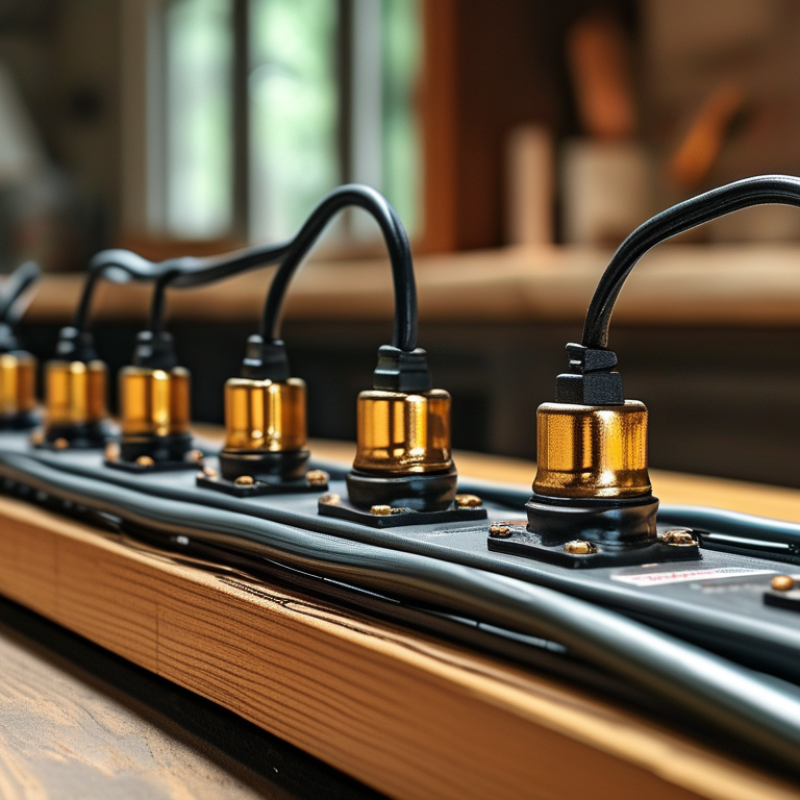
Power tracks have become essential for managing high wattage appliances. These devices often require more energy than standard outlets can provide. Understanding how power tracks allow for this is crucial. They distribute power effectively and can handle significant loads. It is important to select a power track that is rated for high wattage to ensure safety and efficiency.
High wattage appliances like space heaters or microwaves draw a lot of current. This can overload regular outlets, leading to potential hazards. Power tracks come with advanced safety features, such as circuit breakers. These features help prevent overheating and electrical fires. However, it’s important to not overload the power track with multiple high-watt devices. Using more than its capacity can lead to issues.
When choosing a power track, consider the wattage requirements of your appliances. Ensure it meets or exceeds the total wattage used. Regularly inspect your power track for any signs of wear or damage. Even a small crack can lead to serious problems. Understanding these elements can enhance your knowledge of safe appliance usage at home.
Understanding electrical capacity is essential for safely using high wattage appliances. Every appliance has a specific wattage rating, which indicates the amount of power it requires. When multiple devices are connected to a power track, knowing their combined wattage is crucial.
Exceeding the maximum load can lead to overheating or trigger a circuit breaker.
Amperage ratings play a significant role in this context. Amperage measures the flow of electricity, while wattage measures power consumption. The relationship can be expressed with the formula: Watts = Volts x Amps. For instance, a device that operates at 120 volts and uses 1500 watts draws 12.5 amps. If the power track can handle 15 amps, it can accommodate this appliance safely.
However, many users overlook the importance of monitoring total amperage. This negligence can lead to unsafe conditions. It’s vital to check the specifications of both the track and the connected devices. Ensuring you don't exceed the rated capacity can prevent potential hazards and protect your equipment. Each choice counts when managing power in your home.
Power tracks are essential for managing high wattage appliances safely. They are designed with enhanced circuitry to handle demanding power loads. According to the National Electrical Manufacturers Association (NEMA), high wattage devices can draw significant power, sometimes exceeding 1500 watts. Power tracks not only meet these demands but also reduce the risk of overload.
Incorporating features like surge protection and thermal cut-off mechanisms, power tracks enhance appliance safety. A study by the Electrical Safety Foundation International reports that over 80% of electrical fires are caused by equipment failure or faulty wiring. A power track can help mitigate these risks significantly. Its design allows for the simultaneous use of multiple appliances without compromising safety.
However, users must be aware of limitations. Not all power tracks support every high wattage appliance. Some models vary in their maximum load capacities. It's vital to check specifications before use. Ultimately, while power tracks enhance safety and performance, understanding their features aids in making informed decisions.
Power tracks are designed with robust features that allow the use of high wattage appliances safely. These tracks often include advanced circuit breakers that prevent overloads. This design feature ensures that even devices with significant power demands can operate without risking electrical fires.
Additionally, power tracks typically incorporate heavy-duty wiring. This wiring is capable of handling larger currents without overheating. The materials used in the construction of these tracks also play a critical role. High-quality, heat-resistant materials help reduce the risk of damage during operation.
However, not all power tracks are created equal. Users should be cautious and check specifications carefully. It’s essential to ensure the power track can handle the wattage of the device. Misunderstanding these specifications can lead to safety hazards. Awareness of such details makes a significant difference in safe appliance usage.
| Feature | Description | Benefit |
|---|---|---|
| High Current Rating | Designed to handle currents up to 15A or more | Supports multiple high wattage devices simultaneously |
| Thermal Management | Built with materials that dissipate heat efficiently | Prevents overheating and enhances safety |
| Surge Protection | Includes built-in surge protectors | Protects appliances from voltage spikes |
| Multiple Outlets | Equipped with several outlets for convenience | Allows simultaneous use of multiple appliances |
| Durable Build | Constructed with high-quality materials | Increases longevity and reliability of the power track |
When using high wattage appliances on a power track, safety is paramount. Industry standards dictate that power tracks must be designed to handle increased electrical loads. These regulations help prevent overheating and reduce fire risks. Understanding the appropriate wattage ratings ensures that users can safely run their devices without issues.
For safety, always check the wattage limit of your power track. Many units specify a maximum load. Exceeding this limit can lead to equipment failure or hazards. Consider using devices with lower power consumption when possible.
Tip: Keep an eye on the cords of high wattage appliances. Ensure they're not frayed or damaged. This can cause short circuits or fires.
Moreover, not all power tracks are created equal. Some are better suited for heavy-duty appliances than others. Research adequate specs before making a choice.
Tip: Use surge protectors with high wattage devices. They protect against electrical spikes that could damage equipment.
Potential risks exist with misusing power tracks. Reflect on your setup regularly to ensure it meets safety standards. Take note of the quality of both your appliances and power tracks.
: The formula is Watts = Volts x Amps. This helps understand power consumption.
Neglecting total amperage can lead to overheating and circuit breaker trips. It can create unsafe conditions.
Power tracks have enhanced circuitry, surge protection, and thermal cut-off mechanisms. These features reduce overload risks.
Over 80% of electrical fires result from equipment failure or faulty wiring. Power tracks can significantly mitigate these risks.
No, different power tracks have varying maximum load capacities. Always check specifications before use.
It's advisable to use devices with lower power consumption to prevent hazards and ensure safety.
Frayed or damaged cords can cause short circuits or fires. Regular inspections help maintain safety.
Research the specifications to ensure it can handle your appliances. Some tracks are better for heavy-duty use.
Regular reflection on your setup helps ensure it meets safety standards. Check the quality of your appliances and tracks.
Use surge protectors to guard against electrical spikes that could potentially damage your equipment.
The article "Why Can You Use High Wattage Appliances on a Power Track?" explores the fundamentals of power tracks and their capability to handle high wattage appliances. It delves into electrical capacity, explaining the importance of amperage ratings and how wattage is calculated, which helps clarify the question: can you use high wattage appliances on a power track?
The benefits of using power tracks for safety and performance are highlighted, emphasizing how their design features accommodate high wattage devices effectively. Additionally, the piece discusses the industry standards and safety regulations that ensure these power tracks are suitable for such appliances, providing a reliable and secure solution for consumers looking to maximize their electrical setups.

Ranko Power