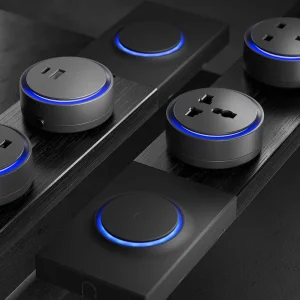
Select, integrated components engineered for optimal modularity, current delivery, and architectural utility.
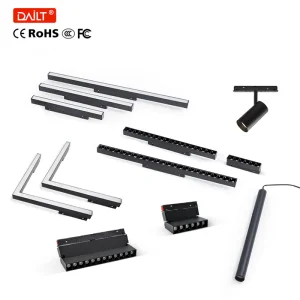
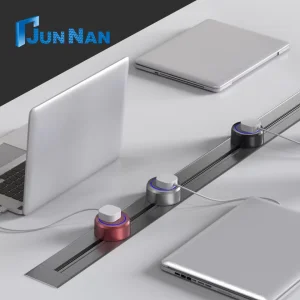
Shenzhen Ranko Power Co., Ltd., established in 2000, is a leading innovator in intelligent power distribution solutions, dedicated to providing customers worldwide with safe, smart, and stylish electrical systems. With a strong commitment to technological innovation and product excellence, Ranko Power continues to redefine modern power accessibility and convenience for residential, commercial, and office environments.
Renowned for its professionalism and forward-thinking approach, Ranko Power focuses on integrating advanced electrical technologies with the evolving needs of modern lifestyles. Guided by the philosophy of "Safe, Flexible, and Efficient Power Delivery," the company has developed innovative power track systems that transform the traditional way electricity is accessed and utilized.
Designed with both aesthetics and functionality in mind, Ranko Power's solutions combine sleek, minimalist styling with advanced safety protection features. Unlike conventional fixed socket installations, the power track system offers flexible power access, allowing users to add, remove, or reposition power adapters safely and conveniently according to their changing requirements. The company's products are widely used in homes, offices, retail spaces, hospitality projects, and commercial developments around the world. Through continuous investment in research and development, Ranko Power integrates intelligent control technologies, energy-efficient designs, and stringent quality standards to deliver reliable and future-ready electrical solutions.
Driven by the vision of "Powering Innovation, Enhancing Everyday Life," Shenzhen Ranko Power Co., Ltd. remains committed to advancing smart power technologies and providing customers with safer, more efficient, and more sustainable ways to power their spaces.

In modern industrial and commercial environments, electrical infrastructure can no longer remain rigid. Facility engineers and electrical architects face major hurdles with conventional fixed wall sockets and wire conduit drops. These methods struggle to support dynamic assembly lines, data center reconfigurations, laboratory updates, and evolving intelligent workspaces. This whitepaper analyzes the engineering standards, materials, localization methods, and logistics factors that position **Custom OEM Industrial Power Distribution Tracks** as the premium choice for modern modular power routing.
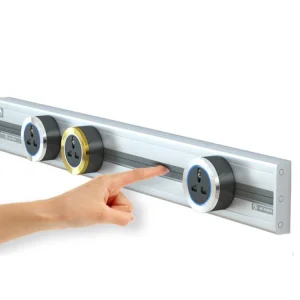
Definition of Information Gain: Unlike basic retail-grade power strips, industrial power distribution tracks act as open-architecture busway systems. They permit continuous, tools-free insertion of tap-off modular adapters along the entire system axis, ensuring zero downtime during expansions or facility updates.
To evaluate a commercial-grade industrial power distribution track system, engineers must analyze several critical engineering metrics: conductor conductivity, dielectric insulation reliability, and mechanical structural rigidity.
The choice of busbar material determines electrical transmission efficiency. High-conductivity ETP (Electrolytic Tough Pitch) Copper (purity ≥ 99.9%) is the industry benchmark. Using ETP Copper ensures minimal voltage drops along run paths exceeding 50 meters, preventing local hotspots near adapter taps. Industrial systems typically employ continuous solid extrusion profiles rather than stamped sheet-metal paths. This ensures a stable current density of up to 3 A/mm² under continuous industrial loads.
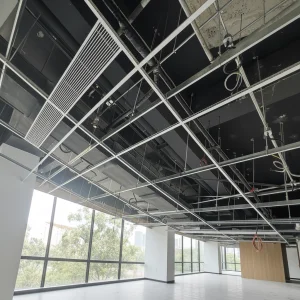
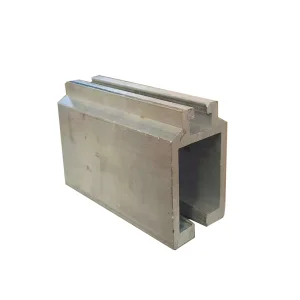
The structural backbone of the power track is its extruded aluminum casing. Using 6063-T5 aircraft-grade aluminum alloy provides excellent structural strength, allowing it to withstand high impact forces. At the same time, the aluminum casing serves as a natural heat sink and acts as a built-in electromagnetic shield. The profile structure is designed to support mounting and suspension systems on structures like T-Grid ceilings, cleanroom panels, and structural machine frames without sagging under load.
For safety, the system uses a recessed slot track design. It keeps active busbar conductors deep within insulating channels. This design meets IP2X touch-safe criteria, preventing accidental finger contact or tool interference. The internal insulation profile is typically made of high-strength PVC or polycarbonate with UL 94 V-0 flame-retardant rating. This ensures self-extinguishing safety even in high-temperature industrial environments.
Global procurement teams select manufacturers based on cost-efficiency, engineering adaptability, and supply chain speed. China’s advanced industrial manufacturing ecosystem offers several distinct advantages for sourcing high-volume, customized power tracks.
From primary copper refining and aluminum extrusion to custom plastic injection molding, Chinese manufacturing hubs provide rapid component sourcing. This shortens the lead time from prototyping to mass production.
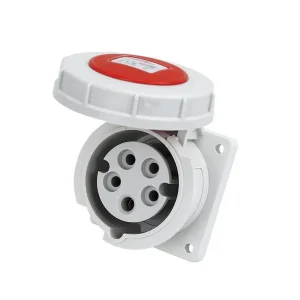
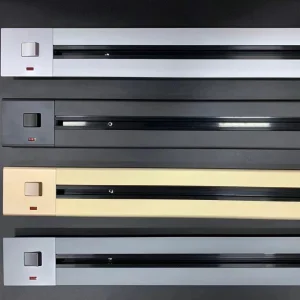
Advanced factories can customize tracks to meet specific requirements. This includes custom run lengths, special color matching, unique mounting brackets, and specialized plug adapters for regional markets.
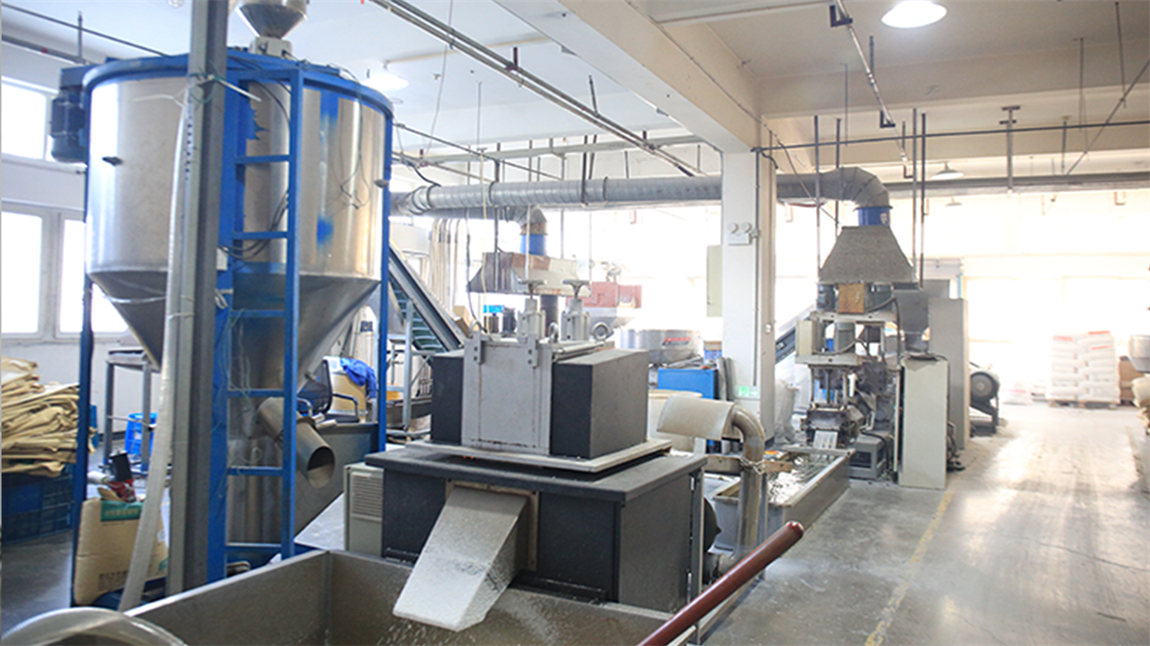
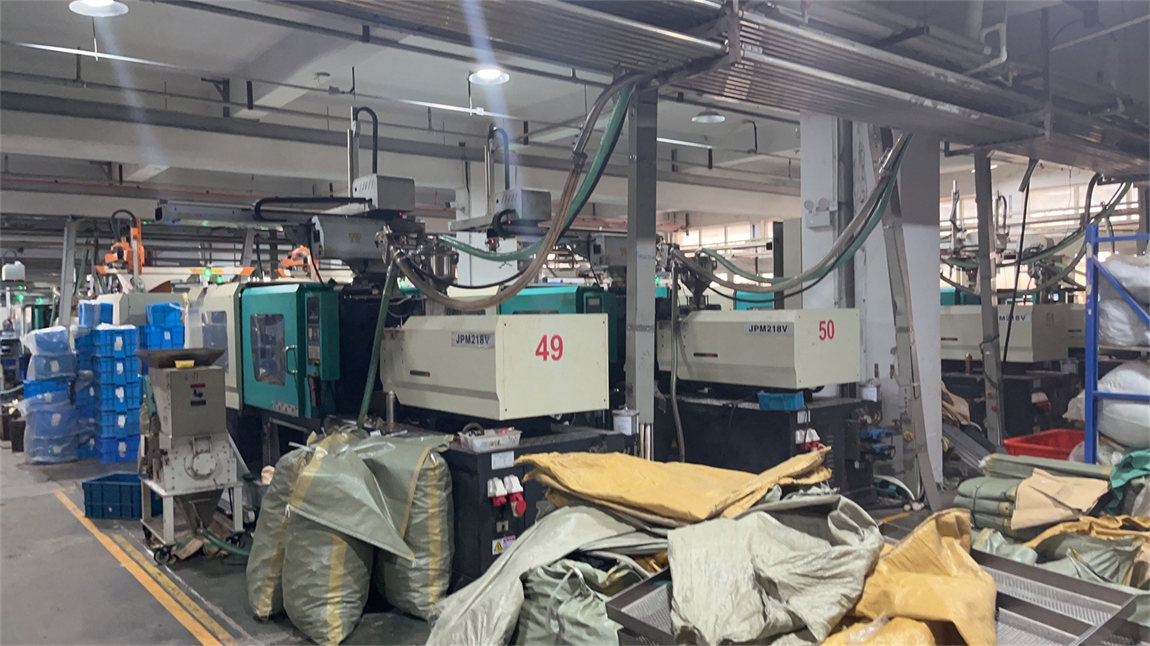
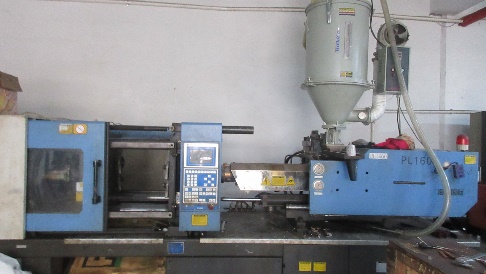
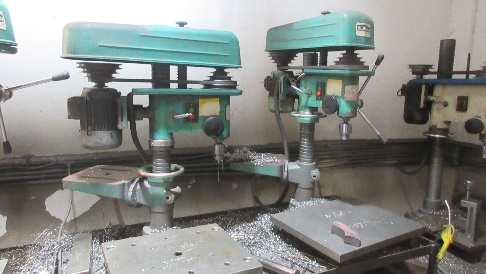
By using modern machinery like automated copper insertion units, high-tonnage plastic injection molders, and CNC milling tools, production lines maintain tight tolerances and high mechanical reliability.
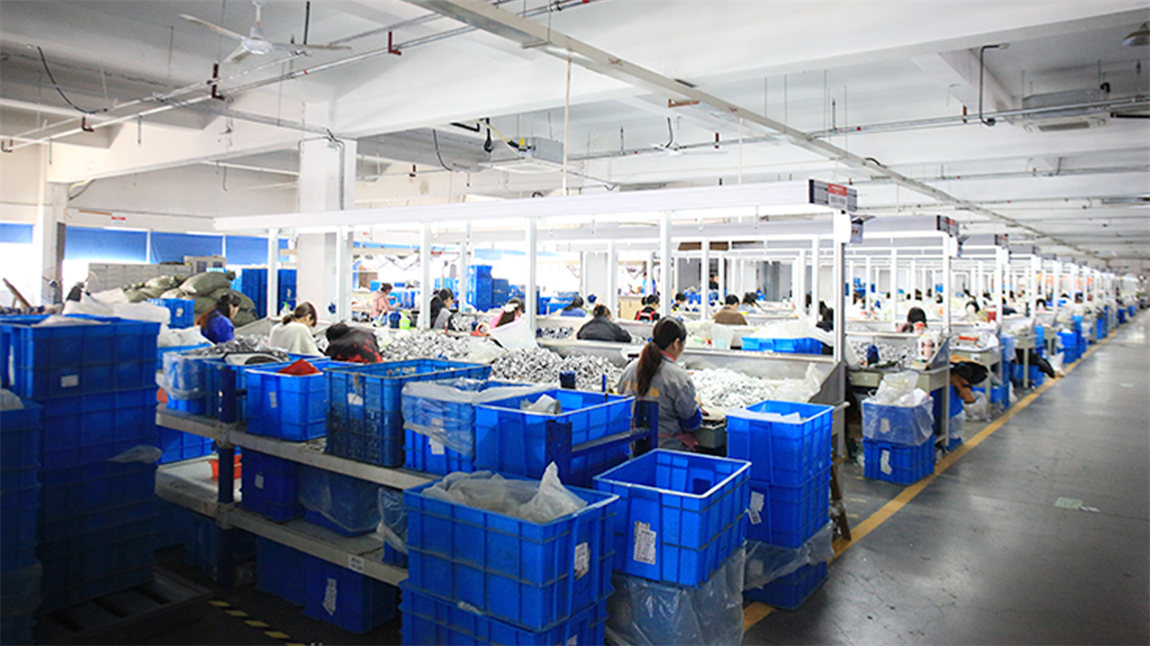
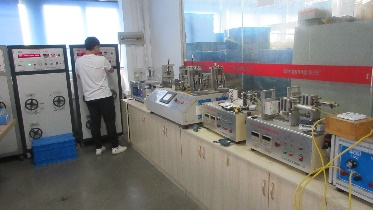
Our complete, in-house production line controls every step from raw materials to final QC inspections.
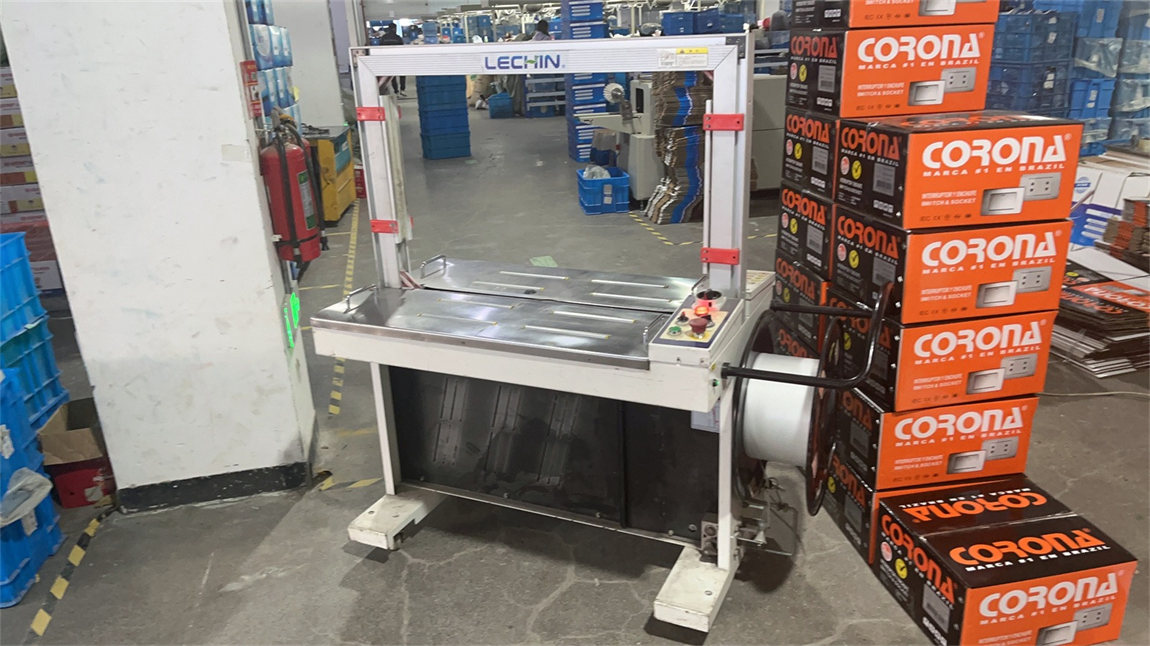
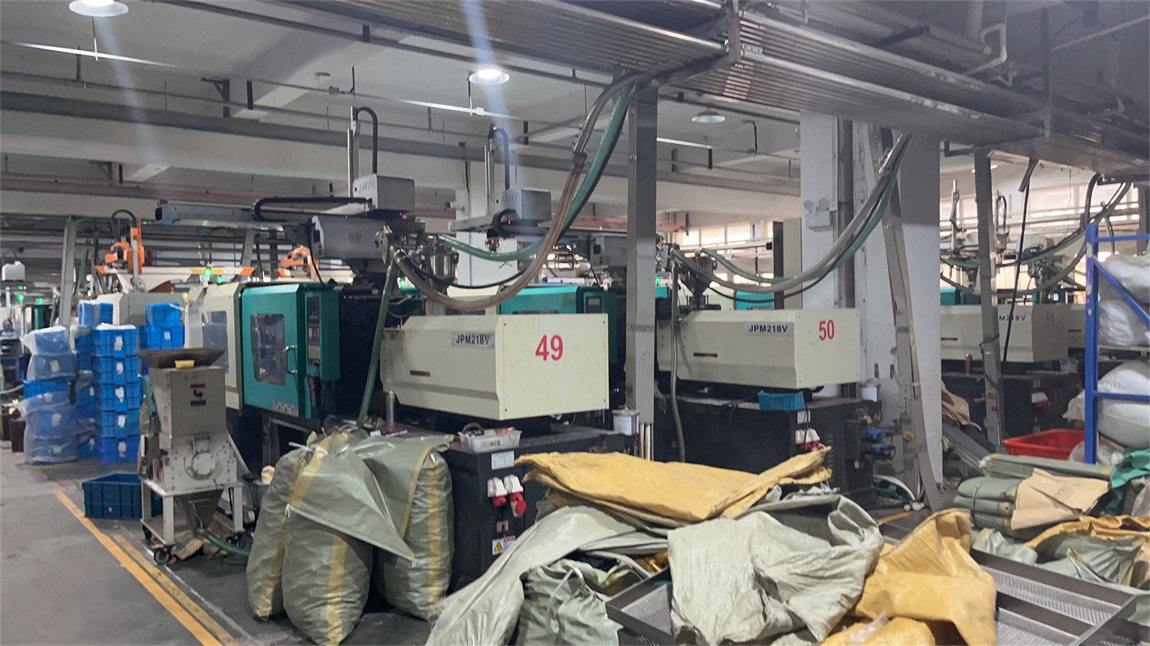
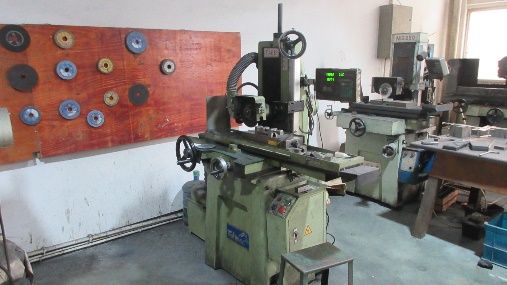
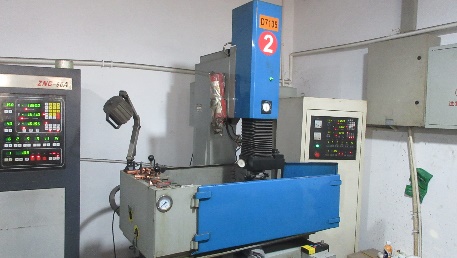
The power distribution industry is evolving to meet the demands of sustainability, digitalization, and automation. Modern track systems are changing from simple copper conductors to smart, data-driven power hubs.
Modern power track systems now incorporate IoT-connected smart meters directly inside the feed end-caps or the individual adapter modules. Using Modbus, Zigbee, or Wi-Fi communication protocols, these components transmit energy usage metrics, power factor ratings, and ambient temperature data to central building management software. This allows operators to run predictive maintenance, detecting issues before they lead to costly machine downtime.
Global net-zero regulations demand that building materials be reusable and recyclable. Conventional electrical cabling, once pulled from conduit lines, is difficult to reuse. In contrast, modular power tracks are designed for simple assembly and relocation. When a warehouse layout is updated or a factory relocates, the entire track system can be unbolted and reinstalled. This eliminates waste and significantly lowers the total cost of ownership.
Custom industrial power distribution systems are engineered for diverse, demanding environments:
Testing laboratories require clean, stable power connections for sensitive instrumentation. Using interference-resistant industrial sockets and dedicated ground paths prevents electrical noise from affecting precision measurements. The modular track system allows technicians to easily position outlets near equipment, keeping power lines organized and off the floor.
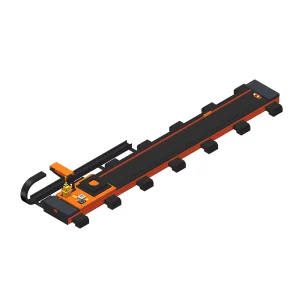
Modern industrial lines rely on robotic arms, welding tracks, and conveyor systems that require high current capacity and steady power. Heavy-duty power tracks supply continuous current while accommodating the movement of machinery. This eliminates the safety hazards and wear associated with trailing power cables.
In server halls, power distribution units (PDUs) must deliver continuous power with built-in redundancy. Overhead overhead track busways allow operators to run power taps to new server racks without scheduling site-wide shutdowns, ensuring continuous uptime.
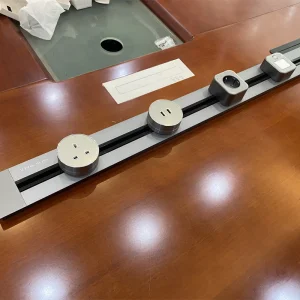
Smart offices benefit from modular desk track systems. Integrated tracks allow workspaces to be easily reconfigured. Outlets can be added or repositioned along walls, desks, or conference tables without calling electricians for rewire work.
Global procurement specialists seek suppliers that offer more than basic products. They require engineering partnerships that deliver compliance, reliability, and simplified logistics.
Technical answers regarding customization options, product integration, and installation standards.
High-performance components designed for safe integration and long service life in demanding applications.
 Ranko Power