Explore our top-tier engineering solutions, certified track system equipment, and modular power infrastructure components designed for architectural integration.
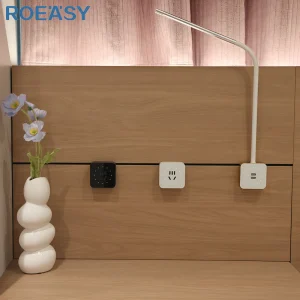
An analytical overview of the structural, safety, and operational enhancements that make modular power track systems the new standard in global architecture.
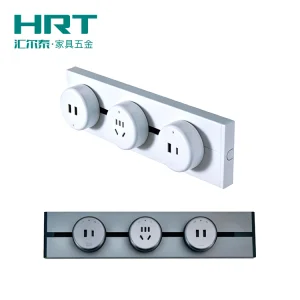
The global shift in corporate office design, smart home interiors, and dynamic manufacturing hubs has created an urgent demand for adaptable electrical layouts. Historically, structural layouts were bound by fixed wall outlets. Today, Integrated USB Power Tracks represent a quantum leap in spatial engineering. Instead of retrofitting walls with complex conduits, these tracks offer a continuous busway system where multiple power taps, modular adapters, and high-performance DC charging nodes can be inserted, removed, or repositioned effortlessly along a track rail.
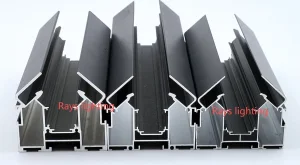
By housing copper busbars inside a safe, recessed profile made of structural aluminum alloy, the integrated track system isolates high voltage rails from user contact. Concurrently, built-in USB modules convert AC power directly to low-voltage DC charging lines, cutting out the requirement for bulky external AC adapters and wall warts. This integration reduces electronic footprint, limits heat generation at the desk level, and maximizes energy distribution efficiency.
Shenzhen Ranko Power Co., Ltd., established in 2000, is a leading innovator in intelligent power distribution solutions, dedicated to providing customers worldwide with safe, smart, and stylish electrical systems. Guided by the philosophy of "Safe, Flexible, and Efficient Power Delivery," Ranko Power's solutions combine sleek, minimalist styling with advanced safety protection features. Unlike conventional fixed socket installations, the power track system offers flexible power access, allowing users to add, remove, or reposition power adapters safely and conveniently according to their changing requirements.
How semiconductor materials, wireless communication, and IoT integrations are transforming simple power rails into intelligent edge nodes.
By replacing traditional silicon circuits with Gallium Nitride (GaN) microchips directly in the sliding USB modules, next-gen track sockets achieve conversion efficiencies exceeding 94%. This drastically reduces thermal output, allows higher wattage (up to 100W PD via USB-C) in ultra-slim profiles, and mitigates safety risks associated with thermal buildup inside wall cavities.
Advanced tracks utilize adaptive smart microprocessors to read and balance the overall current load. When high-draw appliances (e.g., induction cookers, heavy-duty servers, laser printers) are introduced alongside mobile devices, the track dynamically allocates and throttles energy outputs, ensuring the circuit breaker never trips.
Tomorrow's power systems feature wireless connectivity standards (Matter, Thread, Zigbee) embedded within the rail busbars. Facility managers can monitor power usage at each specific workstation, schedule automatic shut-offs during non-operational hours, and track anomalies via unified dashboard software.
Deploying modular, high-capacity, clean-aesthetic power systems across diverse corporate, retail, industrial, and residential environments.
Modern agile desks benefit enormously from track configurations. Employees can move their charging blocks freely as office desk alignments change, doing away with floor cable bundles. Integrated USB-C outlets deliver up to 100W PD directly to laptops, improving desktop aesthetics and cable management.
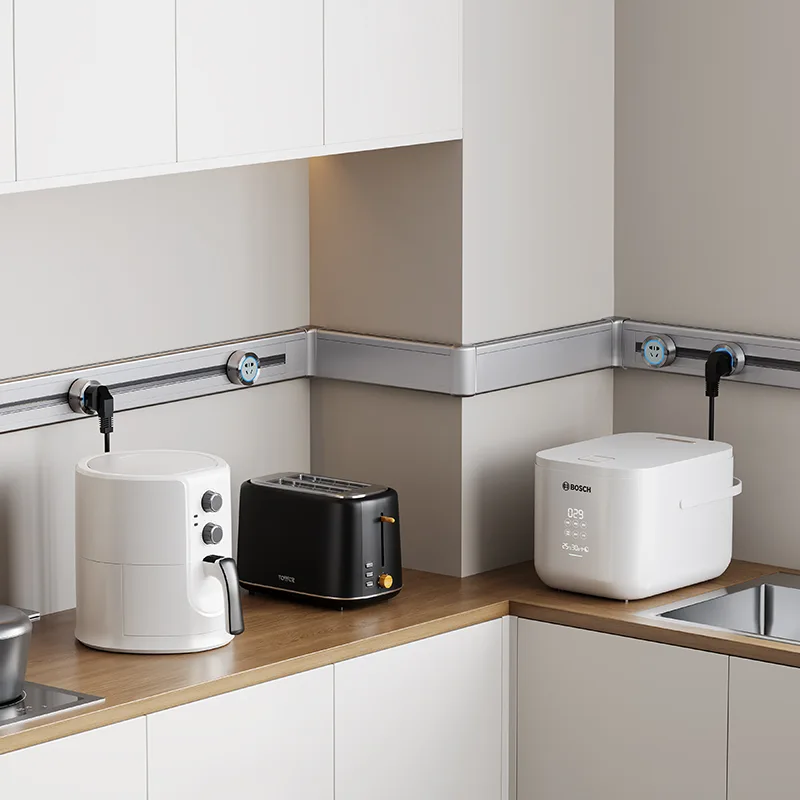
Kitchen counters are packed with high-wattage kitchen appliances (mixers, blenders, air fryers). Integrated wall-mount or under-cabinet track systems provide dynamic, splash-resistant outlets that can slide out of sight or be placed precisely where needed, combining clean lines with home safety.
Laboratories and teaching facilities require frequent equipment re-arrangements. Power tracks allow quick reconfiguration of heavy analytical machinery, digital microscopes, or student tablet chargers without structural wall renovations or calling out commercial electricians.
Inside Ranko Power's advanced production ecosystems. Trace the step-by-step manufacturing cycle from high-grade raw alloys to fully inspected power assemblies.
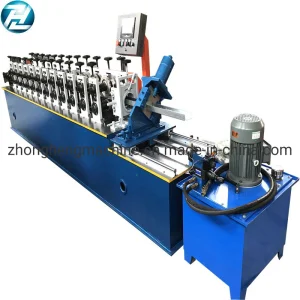
A resilient manufacturing operation is built on precise engineering, clean raw materials, and absolute control over every stage of assembly. High-quality power tracks demand flawless tolerances: if a copper busbar is off by a fraction of a millimeter, electrical resistance rises, risking localized heating and terminal degradation. Ranko Power's factory integrates raw material sourcing, heavy component fabrication, precision CNC milling, and high-standard automated testing under one facility.
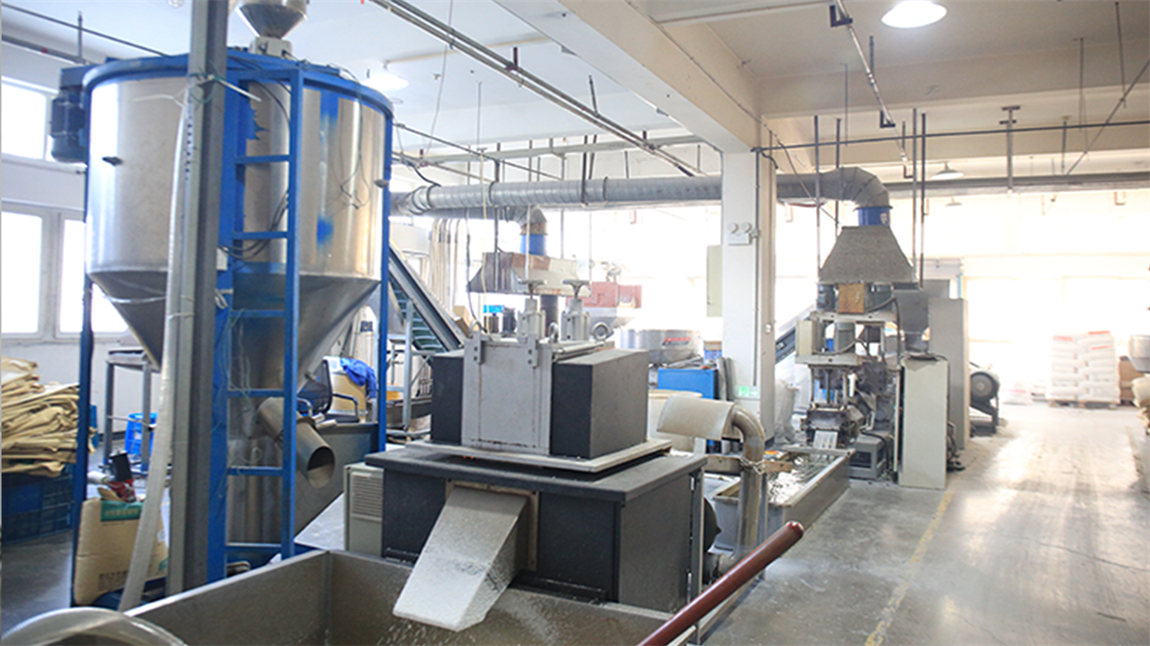
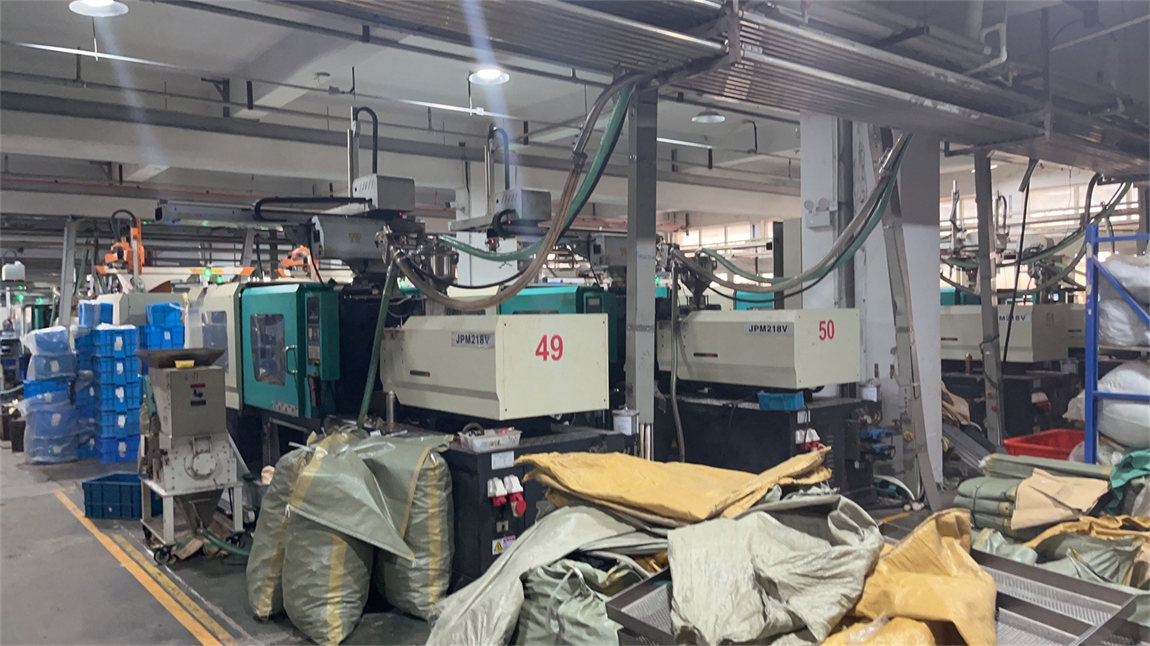
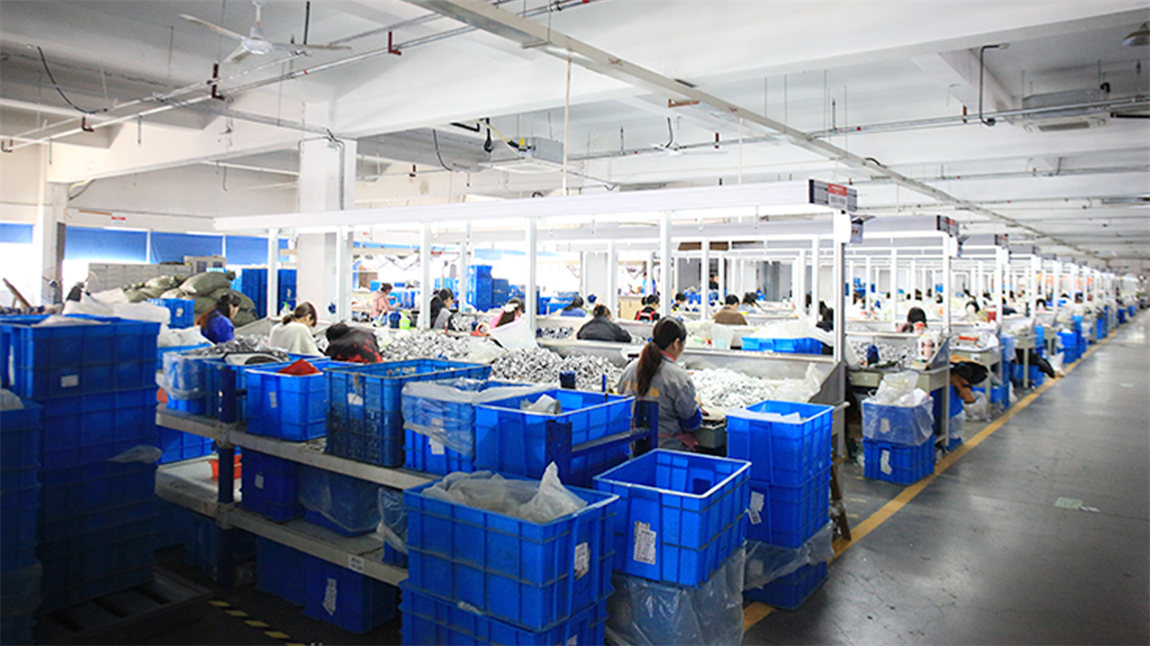
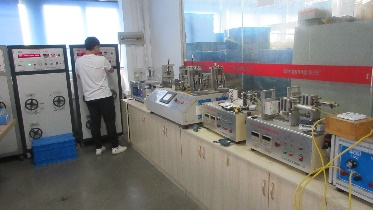
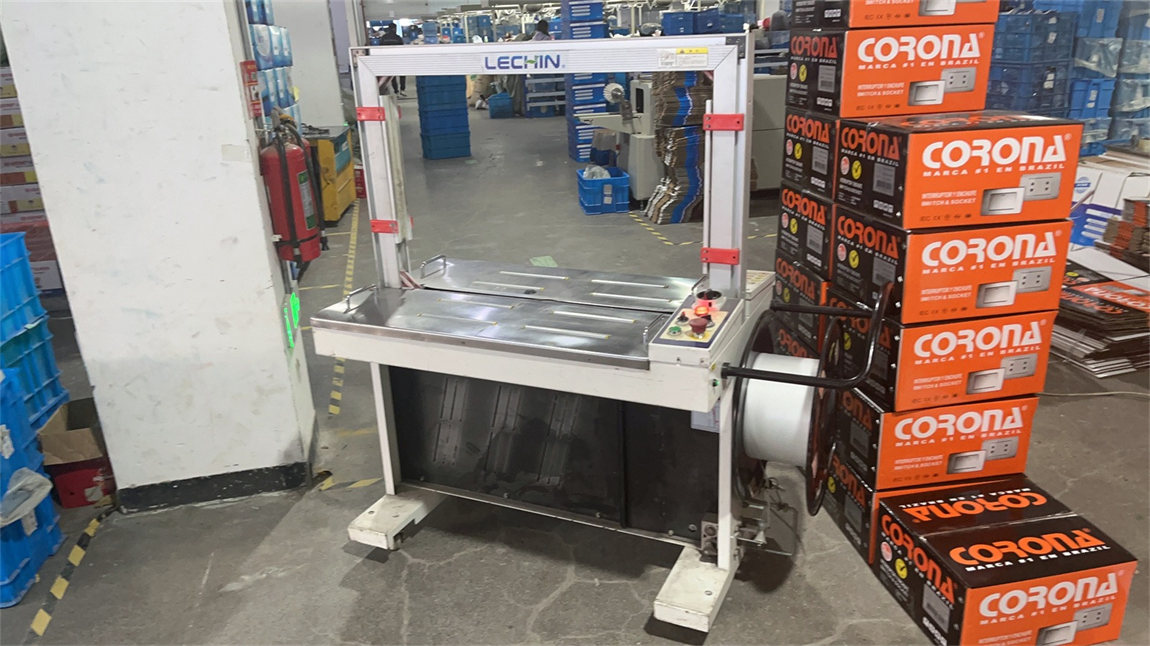
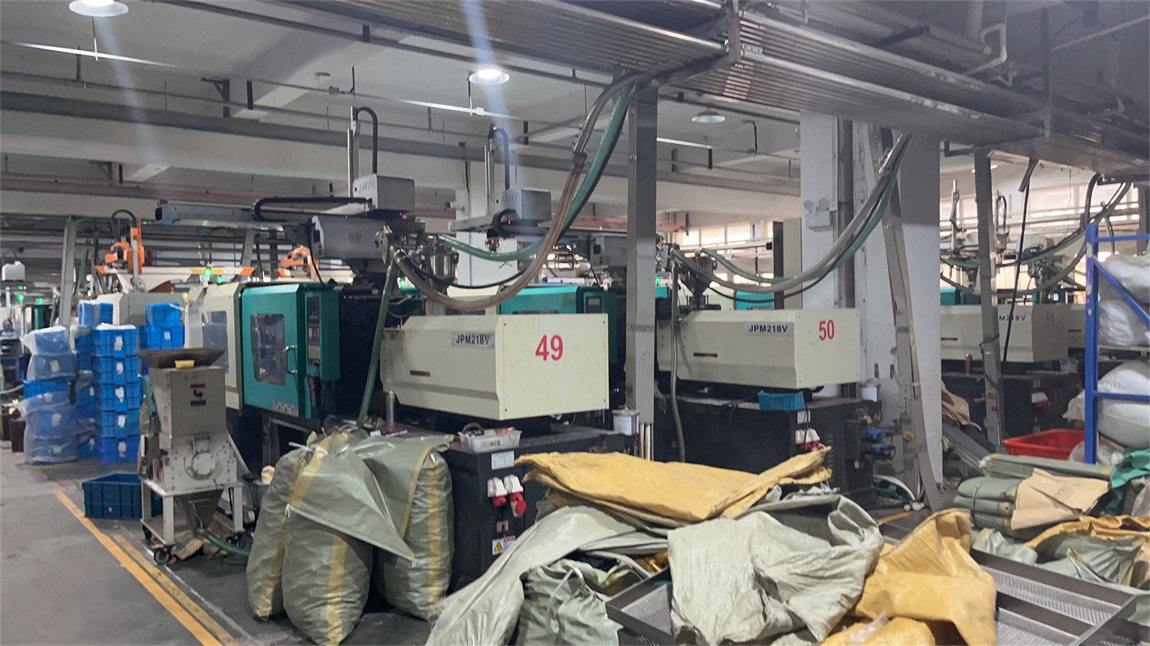
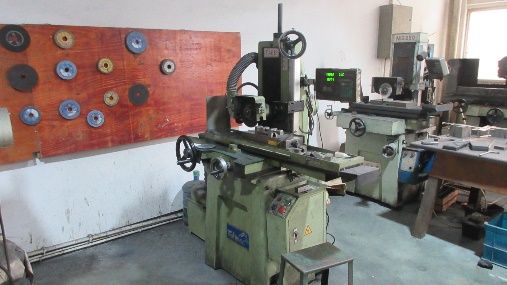
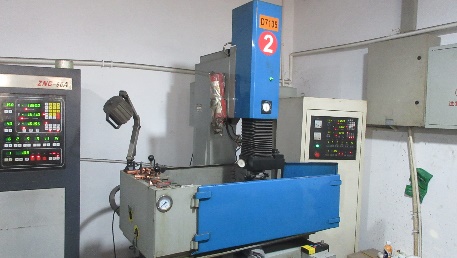
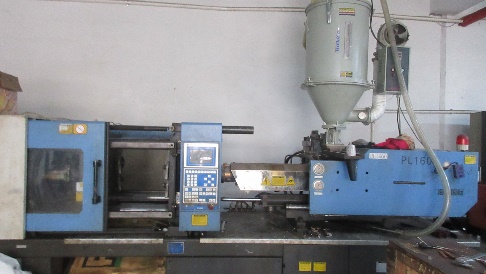
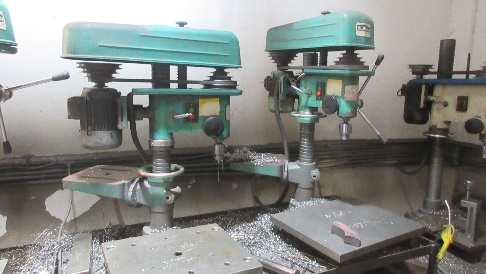
Through continuous investment in research and development, Ranko Power integrates intelligent control technologies, energy-efficient designs, and stringent quality standards to deliver reliable and future-ready electrical solutions. Driven by the vision of "Powering Innovation, Enhancing Everyday Life," Shenzhen Ranko Power Co., Ltd. remains committed to advancing smart power technologies and providing customers with safer, more efficient, and more sustainable ways to power their spaces.
Understanding regional safety certifications, terminal options, and environmental mandates required for international deployment.
Deploying electrical systems globally demands rigorous adherence to regional compliance and localized configurations. Different jurisdictions demand specific modular profiles (e.g., EU Schuko, UK 3-pin, US NEMA, AU Pin) and different operating voltages. Additionally, raw material safety regulations restrict hazardous chemicals in architectural hardware.
| Geographic Region | Common Voltage / Amperage | Critical Certification Needs | Safety Engineering Requirements |
|---|---|---|---|
| European Union (EU) | 230V AC / 16A, 32A | CE, TUV, RoHS, REACH | IP20 minimum, Child-safe internal shutters, V-0 flame-retardant enclosures. |
| North America (US / CA) | 110V-120V AC / 15A, 20A | UL 111, UL 1363, FCC Part 15 Class B | Grounding-path integration, AFCI (Arc Fault Circuit Interrupter) compliance, specific outlet profiles. |
| United Kingdom (UK) | 230V AC / 13A, 32A | BS 5733, UKCA | Fused adapter options, shuttered terminals, mechanical earth contacts. |
| Asia Pacific (APAC) | 220V-240V AC / 10A, 16A | CCC (China), SAA (Australia), PSE (Japan) | High insulation-resistance ratings, salt-spray resistant metals for tropical regions. |
Key variables, cost drivers, and manufacturing checks that enterprise sourcing managers must evaluate before signing long-term supply agreements.
Verify that your factory utilizes premium oxygen-free copper (greater than 99.9% purity) for the internal busbars. Low-grade copper alloys increase electrical resistance, causing safety hazards and voltage drops over longer track lengths.
The structural rail must be extruded from aviation-grade 6063-T5 aluminum alloy. Consistent wall thicknesses (minimum 1.8mm) are critical to support heavy loads and prevent long-term sag when surface-mounted or suspended.
A reliable supplier must offer deep OEM/ODM service models. Evaluate whether they can supply custom anodized track finishes (matte black, titanium gold, silver), bespoke length adjustments (down to 10mm increments), and localized plug sockets.
Direct answers to the most common engineering, safety, and logistical questions raised by global distributors and project managers.
Most advanced power tracks implement a narrow, physical baffle-and-shutter design. The copper busbars are deeply recessed, making it impossible to insert fingers, keys, or wire needles into the energized rail. The adapter must be inserted and rotated (usually 90 degrees) to engage the spring-loaded conductive pins with the internal rails.
Yes. One of the major benefits of a high-quality busway system is compatibility. As long as the base input voltage is compatible (e.g., a universal 110V-250V system), you can insert UK, US, EU, and USB-C adapters into the same physical aluminum track profile simultaneously.
Standard domestic configurations support 25 Amps up to 32 Amps, corresponding to total power thresholds between 4000W and 8000W at 250V AC. This capacity ensures that high-draw kitchen appliances or multiple workstations can run concurrently without overload.
GaN (Gallium Nitride) semiconductor switches possess higher electron mobility and thermal threshold properties. Using GaN chips allows manufacturers to design very compact USB-C modules that run cooler while delivering high-speed power outputs (up to 100W PD), avoiding heat retention inside the track profile.
Surface-mounted tracks are fastened directly onto drywalls, conference tables, or tiles via standard mounting screws, making them ideal for quick retrofits. Recessed tracks require a channel cut into the wall paneling or furniture surface, resulting in a flush-fitting profile that integrates seamlessly into the architecture.
Standard interior models carry an IP20 or IP40 dust-resistance rating. For installation areas near sinks or water sources, it is recommended to source models with integrated rubber sealing rings or spring-loaded waterproof flaps. These measures help prevent liquid ingress and safeguard the internal electrical connections.
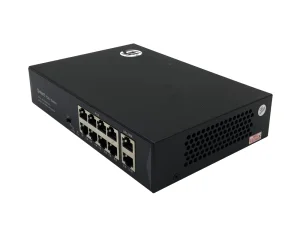
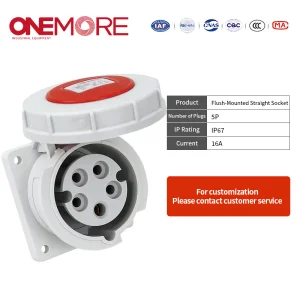
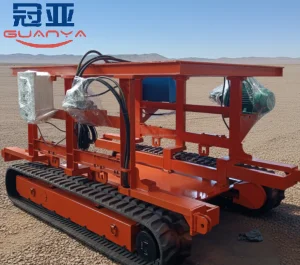
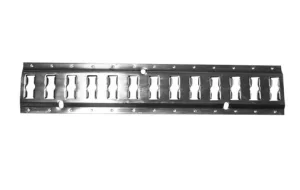
Browse our extended product portfolio including industrial interfaces, heavy-duty mechanical tracks, architectural rails, and custom components.
 Ranko Power